Quick answer: An air conditioner leaking water is almost always caused by a clogged condensate drain line, a dirty air filter causing frozen coils, or a cracked drain pan. Most air conditioner leaks can be fixed in under 10 minutes with a shop vacuum, points out Imperial Asset Management solutions.
If you just discovered a puddle of water pooling around your indoor air conditioning unit, or water dripping from your ceiling, you are likely feeling a mix of panic and frustration. You are not alone. This is one of the most common HVAC issues homeowners face during the hot summer months, and it accounts for more emergency service calls in summer than almost any other single problem, shares Alta Property Management company.
Before you start worrying about a massive repair bill, take a deep breath. In many cases, the cause is a simple blockage that you can fix yourself in less than five minutes. However, if left ignored, that small puddle can quickly turn into thousands of dollars in water damage to your floors, drywall, and ceilings.
This guide will walk you through exactly what to do right now to stop the leak, how to diagnose the root cause, and when it is time to call in a professional.
Step 1: Turn Off Your AC Immediately (Before You Do Anything Else)
If your air conditioner is leaking water right now, turn it off at the thermostat immediately. This is the single most important step you can take to prevent further water damage inside your home.
Many HVAC company websites bury this advice at the bottom of their FAQ sections, but it is the most critical step. As long as your AC is running, it will continue to pull moisture out of the air and produce condensation. If the drainage system is compromised, that water will keep spilling into your home.
Once the system is off, grab some towels or a wet/dry vacuum to clean up the standing water. This prevents further damage to your flooring and gives you a dry area to start your investigation.
The #1 Cause of Air Conditioner Leaking Water: A Clogged Condensate Drain Line
Your air conditioner doesn’t just cool the air; it also dehumidifies it. As warm air blows over the cold evaporator coils inside your indoor unit, moisture condenses into water droplets. This water drips into a drain pan and flows outside through a PVC pipe called the condensate drain line. When this pipe gets blocked, the result is an air conditioner leaking water onto your floor.
Over time, this dark, damp pipe becomes the perfect breeding ground for algae, mold, and mildew. Eventually, this biological sludge forms a jelly-like clog. When the water can’t flow outside, it backs up into the drain pan and overflows onto your floor.
How to Unclog Your AC Drain Line in 5 Minutes (The Shop Vac Trick)
If you have a wet/dry shop vacuum, you can likely fix this issue yourself without paying a service fee. This is a highly recommended DIY fix frequently shared by HVAC professionals and homeowners on Reddit.
u/HVAC_Tech_Guy on r/hvacadvice: “90% of the ‘leaking AC’ calls I go to are just clogged drain lines. Before you pay me $150 to come out, take your shop vac outside, put it over the end of the PVC drain pipe, and suck the gunk out. It usually works instantly.”
Here is how to do it:
- Locate the end of your condensate drain line outside your house (usually a white PVC pipe near your outdoor condenser unit).
- Attach the hose of your wet/dry vacuum to the end of the pipe. If the fit isn’t tight, wrap a rag or duct tape around the connection to create a strong seal.
- Turn the vacuum on for 2 to 3 minutes.
- Open the vacuum canister. If you see a mass of gross, jelly-like sludge and dirty water, congratulations—you just fixed your leak!
Other Common Causes of an AC Leaking Water Inside Your Home
If the shop vac trick didn’t work, or if your drain line is clear, the leak is likely caused by one of the following issues.
1. A Cracked or Rusted Drain Pan
The drain pan sits directly underneath your indoor evaporator coils to catch the dripping condensation. If your AC unit is older (typically 10 to 15 years), the galvanized steel pan can rust through, or a plastic pan can crack.
How to check: Grab a flashlight and inspect the pan under your indoor unit. If you see visible cracks, heavy rust, or water seeping directly through the bottom of the pan rather than overflowing the edges, the pan needs to be replaced.
2. A Dirty Air Filter Leading to Frozen Coils
It sounds counterintuitive, but a dirty air filter is a surprisingly common cause of an air conditioner leaking water. When the filter is clogged with dust and pet hair, it restricts airflow over the evaporator coils. Without enough warm air blowing over them, the coils get too cold and freeze over with ice.
When you turn the AC off (or when the ice gets too heavy), the ice melts rapidly. The sudden rush of water overwhelms the drain pan, causing it to overflow.
How to check: Pull out your air filter. If it looks like a gray blanket of dust, replace it immediately. Then, check your indoor coils. If they are encased in ice, leave the AC off and let them thaw completely before turning the system back on.
3. Low Refrigerant Levels
Low refrigerant is another cause that many homeowners overlook. Low refrigerant levels lower the pressure in your AC system, causing the evaporator coils to freeze. When the ice melts, the excess water overwhelms the drain pan. If you recently changed your filter but your coils are still freezing and the system keeps leaking, you likely have a refrigerant leak.
Warning sign: You might also notice that your AC is blowing lukewarm air or that your energy bills have spiked. This is not a DIY fix; you will need a licensed HVAC technician to find the leak, seal it, and recharge the system.
Window Unit Air Conditioner Leaking Water? Check the Tilt First
If your window air conditioner is leaking water inside, the diagnosis is usually much simpler than a central AC leak: the unit is not tilted correctly.
Window units are designed to collect condensation in a base pan and drain it out the back (outside your window). If the unit is installed perfectly level, or tilted slightly inward toward your room, the water will spill onto your floor.
u/DIY_Dave on r/DIY: “They’re supposed to tilt out of the window slightly, tilting down toward the outside, away from the room, so they don’t leak condensed water into the inside. Just tip it a little outwards so the overflow goes outside.”
The Fix: Adjust the installation so the back of the unit (outside) is about half an inch lower than the front (inside). This allows gravity to do its job.
How Much Does It Cost to Fix an Air Conditioner Leaking Water?
If you cannot fix the air conditioner leak yourself, you will need to call an HVAC professional. While some competitor sites quote a massive range of “$200 to $1,500,” here is a more realistic breakdown of what you can expect to pay based on the specific problem:
| Repair Type | Estimated Cost (2026) | Is it DIY-able? |
| Unclogging a drain line | $100 – $250 | Yes (with a shop vac) |
| Replacing a cracked drain pan | $200 – $600 | No (requires lifting the coil) |
| Replacing a condensate pump | $150 – $350 | Maybe (if you are handy) |
| Fixing a refrigerant leak & recharging | $500 – $1,500+ | No (requires EPA certification) |
How to Prevent Your Air Conditioner From Leaking Water Again
Once you have fixed the leak and the system is running smoothly again, a little preventative maintenance will keep the puddles away for good.
- Change your air filter regularly: Replace 1-inch filters every 30 to 90 days to maintain proper airflow and prevent frozen coils.
- The Vinegar Trick: To stop algae from forming in your drain line, pour one cup of plain white vinegar down the condensate drain pipe access (usually a T-shaped PVC pipe near your indoor unit) every spring before cooling season begins.
- Schedule annual maintenance: Have a professional inspect your system every spring. They will clear the drain line, check refrigerant levels, and inspect the drain pan before the summer heat hits.
By taking immediate action and understanding the common causes, you can stop the leak from ruining your day—and your floors. The key is acting fast: the longer a water leak goes unaddressed, the greater the risk of water damage, mold growth, and expensive repairs.
Beyond cooling concerns, maintaining your entire climate system ensures year-round comfort as seasons transition. Just as moisture issues can compromise your home in the summer, neglected heating components can lead to unexpected failures when temperatures finally drop. Scheduling a comprehensive inspection helps identify worn parts and electrical issues before they escalate into major problems. For residents in Central Texas, arranging for reliable furnace repair in Round Rock ensures that your heating system remains just as dependable as your air conditioner, providing consistent indoor air quality and temperature regulation regardless of the weather outside.
Maintaining a dry environment around your mechanical systems is a vital part of long-term home preservation. When moisture is allowed to linger, it can weaken subflooring and create persistent air quality issues that affect the entire household. Homeowners in coastal or high-humidity regions often face additional challenges with salt air and rapid biological growth in drainage lines. To ensure your system remains efficient and your property stays protected, reaching out to a professional for Ranger Air Conditioning services can help identify hidden vulnerabilities before they lead to structural complications. Consistent oversight and prompt attention to minor drips contribute to a more durable and comfortable living space.
When Should You Call a Professional About an Air Conditioner Leaking Water?
Knowing when to stop DIYing and call a licensed HVAC technician can save you from making an air conditioner water leak worse. Here is a clear framework for making that decision.
You should call a professional if: the drain line is clear but the unit is still leaking; the evaporator coils are freezing repeatedly even after you replaced the filter; you hear a hissing or bubbling sound near the indoor unit (this indicates a refrigerant leak); or the drain pan is cracked or rusted through. These issues require specialized tools and training to diagnose and repair correctly.
Addressing system failures early also helps protect the overall performance of your home’s setup across different seasons. While cooling issues often take priority during warmer months, keeping up with heating repair when cold weather arrives prevents sudden breakdowns and ensures consistent indoor warmth year-round. Taking care of small operational defects promptly reduces unnecessary wear on vital mechanical components.
You can handle it yourself if: the drain line is clogged (Shop-Vac fix); the air filter is dirty and the coils froze as a result; or a window unit is tilted the wrong direction. These three causes account for the vast majority of AC water leak calls, and all three have straightforward DIY solutions.
What About Water Leaking from the Outdoor Unit?
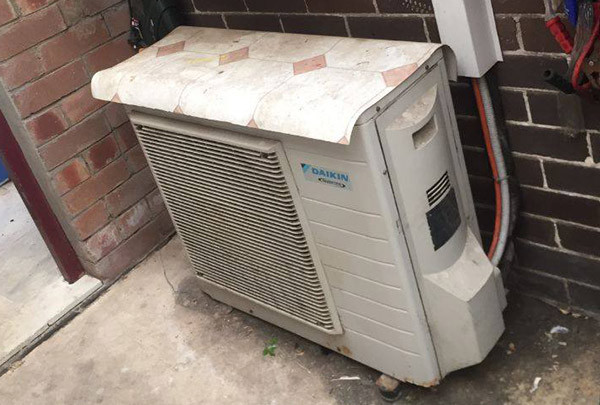
Many homeowners are alarmed when they see water pooling around the outdoor condenser unit. In most cases, this is completely normal. During cooling operation, the outdoor unit can produce condensation, especially in very humid weather. During the heating season (if you have a heat pump), the outdoor unit defrosts itself by briefly reversing the refrigerant cycle, which produces a significant amount of water runoff.
However, if you see a large, constant stream of water coming from the outdoor unit during cooling mode, or if the water appears to be coming from a specific connection point rather than dripping off the unit generally, call a technician to inspect the refrigerant lines and connections.
Frequently Asked Questions
How long can I leave my AC off while it dries out?
If your coils have frozen, you need to leave the system completely off for at least 4 to 24 hours to allow all the ice to melt. Turning the system back on before the ice is fully melted will just refreeze it. You can speed up the process by switching the fan to “On” at the thermostat, which blows room-temperature air over the frozen coils without running the compressor.
Can a leaking AC cause mold in my home?
Yes, absolutely. Mold can begin growing on wet drywall, insulation, and wood within 24 to 48 hours under the right conditions. If your AC has been leaking for more than a day or two, inspect the surrounding area carefully for any signs of discoloration, a musty smell, or soft spots in the drywall. If you find mold, you may need professional mold remediation in addition to the AC repair.
Is it normal for a new AC to leak water inside?
A brand-new air conditioner leaking water inside your home is not normal. If a newly installed unit is leaking, the most likely causes are an improperly connected drain line, a drain line that was not properly sloped to allow gravity drainage, or a refrigerant charge that is too low (which can happen if the installation was rushed). Contact the installing contractor immediately, as this should be covered under the installation warranty.
Why is my air conditioner leaking water only on very humid days?
On extremely humid days, your AC works much harder to remove moisture from the air. This produces significantly more condensation than on a dry day. If your drain line has a partial clog that allows slow drainage on normal days, the extra volume of water on a humid day can overwhelm it and cause an overflow. This is a sign that your drain line needs to be cleaned even if you don’t see a leak every day.
How often should I clean my condensate drain line?
HVAC professionals generally recommend flushing the condensate drain line with white vinegar at least once a year, ideally at the start of the cooling season in spring. If you live in a particularly humid climate (Florida, the Gulf Coast, the Southeast), or if you have had drain line clogs before, doing it every three months is a good habit to develop.
Over time, minor dynamic details within your cooling system can contribute to larger system stress. Property owners who deal with frequent clogs or persistent indoor humidity drops often find that routine checks help stabilize seasonal airflow. Dealing with complex climate layouts might require calling a professional heating contractor in Magnolia to inspect internal setups and secure a complete fix before water backup causes structural harm. Establishing a regular oversight schedule can help protect your home investment, optimize operational durability, and maintain proper ventilation balances across changing seasonal elements.
Ensuring your system runs smoothly is especially critical in regions that experience severe temperature swings throughout the year. Keeping your system in top shape helps lower energy bills and prevents sudden breakdowns during peak seasonal use. For homeowners seeking professional assistance, scheduling reliable ac repair in Pittsburgh can resolve issues before they escalate, maintaining a balanced indoor climate and improving overall efficiency.
Last modified: October 6, 2026