You turned on the heat, but the air coming from your vents feels cold. Before you panic or call a technician, here is the most important thing to know: a heat pump blowing “cold” air is often completely normal operation, not a breakdown, says KRS Holdings Richmond experts.
Unlike traditional gas furnaces, heat pumps do not generate heat—they move it. This fundamental difference in how they operate means the air they deliver feels different on your skin. However, there are times when cold air indicates a genuine problem that requires immediate attention.
This guide will help you determine exactly which situation you are in. We will cover the physics of why heat pump air feels cool, explain the confusing defrost cycle, walk you through simple DIY fixes, and provide real-world repair cost estimates if your system actually needs professional help.
Is It Normal? Two Types of “Cold Air” From a Heat Pump
When a heat pump blows air that feels cold, you need to determine if it is a normal operational phase or a mechanical failure. You can usually figure this out within 15 minutes.
Category 1: Normal “Cold Air”
Your heat pump is likely operating exactly as designed if:
- The cold air only lasts for 5 to 15 minutes (this is the defrost cycle).
- The indoor temperature on your thermostat is stable or slowly rising to your setpoint.
- The system is in the first few minutes of starting up.
- The thermostat fan setting is switched to “On” rather than “Auto.”
Category 2: Problem “Cold Air”
You likely have a mechanical issue requiring attention if:
- The system blows cold air continuously for 30 minutes or more.
- The indoor temperature is steadily dropping below your setpoint.
- The outdoor unit is encased in a solid block of ice that never melts.
- The system constantly cycles on and off every few minutes.
If your situation falls into Category 1, you can relax. If it falls into Category 2, skip ahead to the troubleshooting section to identify the cause.
The Physics of Why Heat Pump Air Feels Cold
The most common reason new heat pump owners complain about cold air is a misunderstanding of how the system delivers heat compared to a traditional furnace. It comes down to simple physics and human body temperature.
A standard gas or oil furnace generates intense heat through combustion. The air coming out of the vents from a furnace is typically between 120°F and 140°F. When this air hits your skin, it feels undeniably hot.
A heat pump, however, extracts ambient heat from the outside air and moves it indoors. Because it is not burning fuel, the air it delivers is cooler—typically between 85°F and 95°F.
Normal human body temperature is 98.6°F. Skin surface temperature is usually around 91°F to 94°F
When 85°F air blows across your 93°F skin, the air absorbs heat from your body. Because the moving air is cooler than your skin, it literally feels “cold” to the touch. This is why you might stand over a vent and think the system is broken.
The true test of a heat pump is not how the air feels on your hand, but what the thermostat says. If the room temperature is 68°F and the heat pump is delivering 85°F air, the room will slowly and steadily warm up. If the indoor temperature is maintaining your setpoint, the system is working perfectly.
While standard system checks ensure that internal components are running as they should, planning ahead for seasonal demands helps guarantee consistent indoor comfort. Relying on an established Air conditioning store can provide access to efficient upgrade options and diagnostic evaluations before the extreme weather sets in. Keeping up with regular system updates supports long-term equipment reliability.
Understanding the Defrost Cycle
If your heat pump blows cold air for a short period and then returns to heating, you have experienced a defrost cycle. This is a built-in protection mechanism that prevents the outdoor unit from turning into a block of ice.
Why Defrost Mode Happens
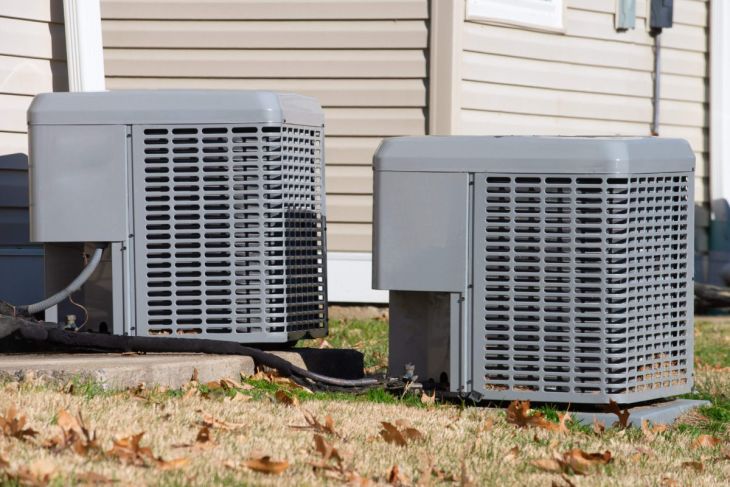
In heating mode, the outdoor coil gets very cold as it absorbs heat from the outside air. If the outdoor temperature is near freezing and there is moisture in the air, frost will form on the outdoor coil. A layer of frost acts as insulation, preventing the heat pump from absorbing heat effectively.
To clear this frost, the heat pump temporarily reverses its operation. It switches into cooling mode, taking heat from inside your house and sending it to the outdoor coil to melt the ice. During this time, the indoor unit is technically blowing cold air into your home.
Defrost Cycle Timing and Frequency
Many homeowners panic when defrost happens, but understanding the timing can ease your mind:
- Normal duration:A typical defrost cycle lasts between 5 and 15 minutes. Once the ice is melted, the system switches back to heating mode.
- Normal frequency:In cold, damp weather, a heat pump might enter defrost mode every 30, 60, or 90 minutes.
- Temperature range:Defrost does not only happen below freezing. It is actually most common when outdoor temperatures are between 35°F and 45°F with high humidity, as this combination creates the most frost.
During a defrost cycle, you might see steam rising from the outdoor unit. This is not smoke; it is just the melted frost evaporating as the coil heats up.
When Defrost Indicates a Problem
While defrosting is normal, abnormal defrost behavior indicates a failing system. You should call a technician if:
- The defrost cycle lasts longer than 30 minutes.
- The system goes into defrost every 10 to 15 minutes continuously.
- The outdoor unit remains covered in thick ice even after a defrost cycle completes.
Quick Fixes to Try Before Calling a Technician
If your heat pump is blowing cold air and it is not just a temporary defrost cycle, check these simple items before paying for a service call.
- Check the Fan Setting (The Most Common Mistake)
Look at your thermostat. Is the fan setting on “Auto” or “On”?
If the fan is set to “On,” the blower motor will run continuously 24 hours a day, even when the heat pump is not actively heating the air. During the times when the compressor is off, the fan simply circulates room-temperature air (usually around 68°F to 72°F) through the ductwork. Because this air is cooler than your skin, it feels like cold air blowing from the vents.
The fix: Switch the fan setting to “Auto.” The fan will now only run when the system is actively heating the air.
- Verify the Thermostat Mode
It sounds obvious, but accidentally bumping the thermostat into “Cool” mode happens frequently. Additionally, if your thermostat is set to “Auto” (which automatically switches between heating and cooling based on temperature), a warm afternoon sun hitting the thermostat might trick it into turning on the air conditioning.
The fix: Ensure the thermostat is explicitly set to “Heat” mode.
- Replace a Dirty Air Filter
A severely clogged air filter restricts airflow over the indoor coil. This causes the coil to overheat, which can trigger safety sensors that shut down the compressor while leaving the indoor fan running. The result is unheated air blowing through your vents.
The fix: Check your air filter. If you cannot see light through it, replace it immediately. Filters should be changed every 1 to 3 months.
- Clear the Outdoor Unit
Your heat pump needs unobstructed airflow to extract heat from the outside air. If the outdoor unit is buried in a snowdrift, covered in wet leaves, or blocked by overgrown shrubs, it cannot function properly.
The fix: Turn off power to the unit and gently clear away any snow, ice, leaves, or debris. Maintain at least two feet of clearance around the entire unit.
4 Mechanical Causes of Heat Pump Blowing Cold Air
If you have tried the quick fixes and the system is still blowing cold air while the indoor temperature drops, you likely have a mechanical failure. These issues require a licensed HVAC technician.
- Auxiliary Heat Failure
Heat pumps lose efficiency as the temperature drops. Most systems are paired with a backup heat source—either electric resistance heat strips or a gas furnace—called auxiliary heat.
The system is programmed with a lockout temperature, typically around 35°F to 40°F. When the outdoor temperature drops below this threshold, the auxiliary heat automatically kicks in to supplement the heat pump. If the electric heat strips are burned out or the sequencer relay fails, the heat pump will struggle alone in freezing weather, resulting in lukewarm or cold air.
- Refrigerant Leak
Refrigerant is the lifeblood of your heat pump; it is the substance that actually absorbs and transfers the heat. If a leak develops in the copper lines or coils, the system loses its ability to move heat. A low refrigerant charge will cause the system to blow cold air and will eventually cause the compressor to overheat and fail.
- Defrost Control Board or Sensor Failure
The defrost cycle relies on a control board and temperature sensors to know when ice has formed and when it has melted. If the sensor fails, the heat pump might get stuck in defrost mode (blowing cold air continuously) or it might never enter defrost mode (turning into a block of ice that cannot absorb heat).
- Reversing Valve Stuck
The reversing valve is the mechanical component that switches the flow of refrigerant, allowing the heat pump to change between heating and cooling modes. If this valve gets stuck in the cooling position, the system will literally act as an air conditioner, blowing cold air into your home regardless of what the thermostat requests.
When these critical components fail, it stops your system from warming your home efficiently. Property owners dealing with complex mechanical issues often need to call in a professional diagnostic service. Getting a thorough system evaluation, such as scheduling a reliable ac repair in Spring, can determine if your reversing valve is stuck or if a small leak is draining your system’s pressure. Addressing these issues early helps protect the internal compressor and ensures your system continues to provide reliable temperature control through seasonal changes.
Cold Weather Performance: Know Your System’s Limits
Sometimes a heat pump blows cool air simply because the outdoor temperature has dropped below the system’s operational limits.
A standard heat pump operates at peak efficiency when outdoor temperatures are above 40°F. As the temperature drops into the 20s, the system has to work much harder to extract heat, and the air coming from the vents will feel noticeably cooler. Below 25°F, a standard heat pump struggles significantly without auxiliary heat.
If you live in a region with harsh winters and your heat pump constantly blows cold air during cold snaps, your system may not be suited for your climate.
Cold-Climate Heat Pumps: Modern cold-climate heat pumps (such as those using inverter-driven compressors) are designed to extract heat efficiently even when outdoor temperatures drop to -13°F (-25°C). If you are replacing a system in a northern climate, this technology prevents the “cold air” feeling during deep freezes.
Dual-Fuel Systems: Another solution is a dual-fuel system, which pairs a heat pump with a gas furnace. The heat pump handles the mild winter days, and the gas furnace automatically takes over when temperatures drop below freezing, providing intense, hot air when you need it most.
Repair Cost Estimates
If your heat pump requires professional repair to stop blowing cold air, here is what you can expect to pay. These estimates include both parts and labor, though prices vary by region and system brand.
| Problem | DIY Possible? | Estimated Cost Range |
| Fan set to “On” (thermostat setting) | Yes | $0 |
| Clogged air filter | Yes | $10 – $30 |
| Failed defrost temperature sensor | No | $150 – $300 |
| Bad defrost control board | No | $250 – $500 |
| Broken auxiliary heat strips | No | $200 – $500 |
| Refrigerant leak repair and recharge | No | $300 – $1,000+ |
| Stuck or failed reversing valve | No | $500 – $1,200 |
Note: Refrigerant repairs are highly variable depending on the type of refrigerant your system uses (R-410A vs. R-32 vs. R-22) and the location and severity of the leak.
Final Thoughts
A heat pump blowing cold air is a common source of anxiety, but it is rarely a reason to panic. Start by checking your thermostat fan setting and your air filter. If the system is in a defrost cycle, give it 15 minutes to resolve itself. Remember that heat pump air will always feel cooler than furnace air—trust your indoor thermometer, not your skin.
However, if the cold air persists for hours, your home’s temperature is dropping, or the outdoor unit is encased in solid ice, it is time to call a professional. Regular annual maintenance, including checking refrigerant levels and testing the defrost sensors, is the best way to ensure your heat pump delivers reliable warmth all winter long.
When distribution networks or critical mechanical components require professional intervention, understanding the background of your service provider helps ensure high-quality care. Property owners looking to optimize their equipment can learn this here now to understand how a dedicated technical team supports long-term heating efficiency. Reliable upkeep prevents unexpected performance changes during freezing weather.
For homeowners who want to maximize their system’s heating capabilities, exploring modern climate solutions can provide long-term advantages. Transitioning to newer models or researching specialized heating setups can significantly improve home efficiency and ensure consistent temperature management. Those looking to optimize their home’s thermal reliability can Learn more about how modern equipment handles extreme seasonal challenges effectively.
When your system fails to maintain the proper temperature, checking the thermostat settings or looking for outdoor unit blockages is a good first step. If basic checks do not resolve the problem, learning about the underlying mechanical components and how an experienced team operates can guide your next steps. Homeowners who want to understand more about regional heating services and the expertise behind system maintenance can learn this here now to ensure their climate control stays reliable throughout the changing seasons.
Last modified: July 27, 2026