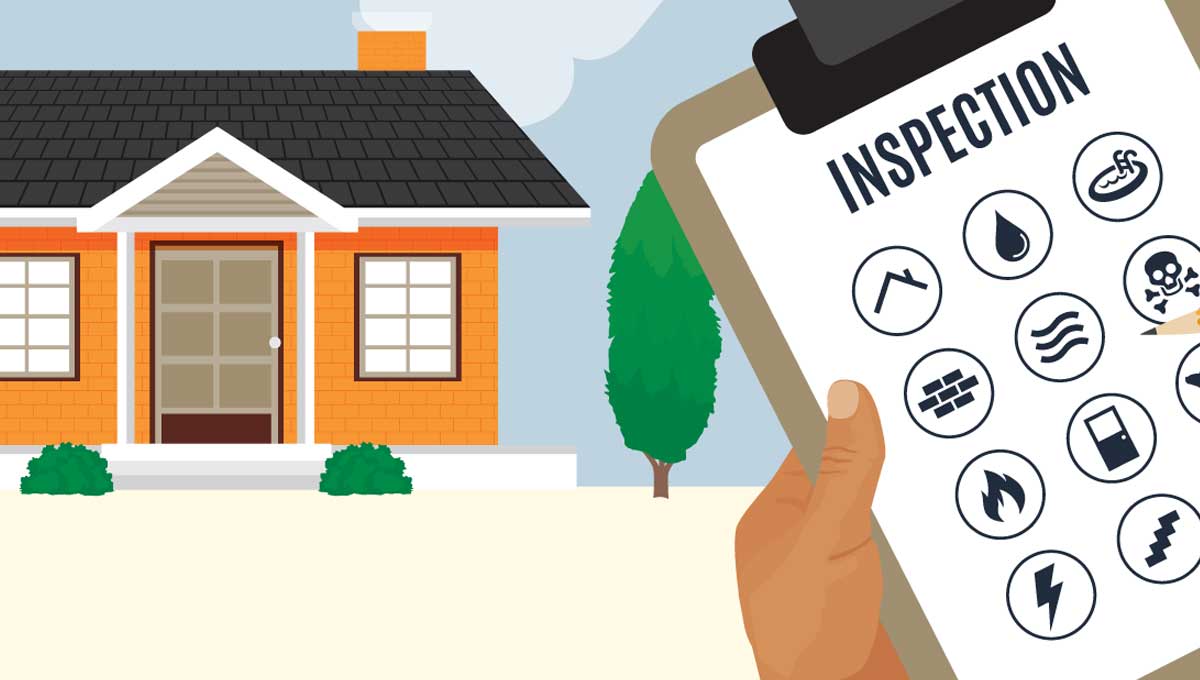
According to Mike Dunfee Downey team, what to look for in a home inspection comes down to the systems that can hurt your budget, safety, or ability to insure the house: structure, roof, drainage, electrical, plumbing, HVAC, moisture, pests, and hazardous materials.
The inspection day can feel strange because the house suddenly turns into a list of flaws. A cracked outlet cover, a sticky window, an old water heater, a stain under the sink. The trick is knowing which defects are ordinary maintenance and which ones change the deal.
Exterior maintenance is a fundamental component of protecting any real estate investment, as a home’s outer shell faces constant environmental pressure. During a walkthrough, buyers should examine the roof and drainage systems for signs of wear or improper alignment. If the current water management system appears compromised or outdated, planning for a professional gutter install rochester can prevent significant moisture-related damage to the foundation. These early observations allow for more informed discussions with a certified inspector later. Ensuring that downspouts and channels function correctly mitigates the risk of soil erosion and basement dampness, ultimately safeguarding the structural integrity of the property for years to come.
Start With the Major Systems, Not Cosmetic Flaws
A strong home inspection begins with the expensive, safety-related systems first. Paint, carpet, cabinet doors, and dated finishes matter far less than foundation movement, roof failure, unsafe wiring, active leaks, sewer problems, and failing heating or cooling equipment.
That priority matters because a home inspector is not trying to make the house look perfect. The inspector is documenting visible conditions on the day of the inspection and helping you understand likely repair risk.
The American Society of Home Inspectors says its Standard of Practice covers readily accessible installed systems and components, including structural, exterior, roofing, plumbing, electrical, heating, cooling, insulation, ventilation, interior, and fireplace components. The ASHI Standard of Practice is a useful baseline because it shows what a general inspection usually includes and where specialty inspections may be needed.
In practice, the best question to keep asking is simple: does this issue threaten the structure, let water in, create a safety hazard, or point to a hidden system failure?
| Inspection finding | Why it matters | Typical next step |
|---|---|---|
| Minor drywall cracks | Often normal settling or cosmetic repair | Monitor unless paired with sticking doors or uneven floors |
| Horizontal foundation cracks | May suggest pressure against the wall | Ask for a structural engineer or foundation contractor evaluation |
| Old roof near end of life | Can affect insurance, leaks, and near-term cash needs | Request age, repair history, and roofing quote |
| Double-tapped breaker or unsafe panel work | Electrical safety and insurance concern | Ask for licensed electrician review |
| Slow drains or sewer backup signs | Hidden underground repairs can be expensive | Order a sewer scope before contingency expires |
Cosmetic problems are visible on the first showing. System problems hide in crawl spaces, attics, panels, grading, roof edges, and utility rooms. That is where the inspection earns its fee.
Foundation, Drainage, and Water Are the First Red Flags
Foundation and drainage defects deserve early attention because water is the common thread behind many expensive inspection surprises. Look for cracks, settlement, sloping floors, wet basements, poor grading, clogged gutters, and downspouts that dump water against the house.
Walk the outside before or after the inspector does. Soil should generally slope away from the foundation, and downspout extensions should discharge water several feet away from the structure. Mulch piled against siding, negative grading, and hardscape that sends water toward the house all deserve a second look.
Inside, watch for stair-step cracks in masonry, wide horizontal cracks, doors that will not latch, windows that bind, uneven floors, and fresh paint or paneling in only one basement area. None of those signs automatically means the house is failing, but patterns matter.
Moisture is especially slippery because sellers may have cleaned the visible evidence. A dehumidifier running in an empty basement, a musty crawl space, rust on a furnace cabinet, or efflorescence on concrete can tell a more honest story than a dry floor on inspection day.
“Most basement and foundation issues don’t start inside the house, they start outside with poor drainage.”
– r/ChicagoRealEstate, February 2026
That is the detail first-time buyers often miss. A pretty basement can still be downstream from bad gutters, a short downspout, or a driveway that pitches water toward the sill.
Unaddressed subterranean dampness often impacts the structural framing long before visible indicators emerge in the main rooms. Evaluating the lower layout during the initial walkthrough helps buyers identify hidden structural risks early. Investing in professional moisture control services for crawlspaces can help manage these hidden risks, ensuring proper ventilation and long-term foundation health before any environmental issues spread upward.
Roof, Attic, and Exterior Clues Show How the House Has Been Maintained
The roof and exterior should be checked as one weather-control system. Missing shingles, failing flashing, soft sheathing, clogged gutters, damaged siding, poor attic ventilation, and water stains near roof penetrations can signal leaks before interior damage becomes obvious.
Ask the inspector to explain roof age, visible wear, patching, flashing condition, gutter performance, chimney condition, and any attic evidence of past leaks.
When a general inspection reveals significant wear or aging, homeowners often seek a second opinion to determine the remaining lifespan of the materials. This is particularly common in areas with unpredictable weather patterns, where minor issues like granular loss or lifting shingles can quickly escalate into interior leaks. Consulting a specialized roofing company in Fairfield can help buyers get a precise estimate for necessary repairs or a full replacement. Having this technical data on hand supports better financial planning and ensures that the property remains protected against environmental stress long after the keys are handed over at closing.
A roof can look acceptable from the ground and still show nail pops, brittle shingles, bad step flashing, or dark staining under the decking.
The attic is where roof problems get harder to disguise. Look for daylight around penetrations, wet insulation, dark staining, mold-like growth, disconnected bath fans, compressed insulation, and blocked soffit vents.
Exterior walls deserve the same attention. Wood rot around trim, soft window sills, gaps at penetrations, cracked stucco, missing kick-out flashing, and siding too close to soil can all become water problems. Honestly, a house often tells on itself at the edges.
Do not treat an old roof as an automatic deal breaker. Treat it as a cash-flow and negotiation issue. A roof near the end of its service life may still be manageable if the price, insurance, and timing make sense.
Electrical, Plumbing, and HVAC Need Function and Safety Checks
Electrical, plumbing, and HVAC findings matter because they combine daily comfort with safety and repair cost. Your home inspection should flag outdated panels, unsafe wiring, leaks, poor water pressure, drain problems, aging equipment, missing shutoffs, and improper venting.
For electrical systems, pay close attention to the panel, service size, grounding, GFCI protection, exposed splices, damaged outlets, aluminum branch wiring, knob-and-tube wiring, scorch marks, and extension-cord workarounds. The inspector may not open every wall, but visible panel and outlet clues can justify a licensed electrician’s estimate.
For plumbing, look under sinks, around toilets, near the water heater, at the main shutoff, and wherever supply or drain pipes are exposed. Corrosion, active drips, old galvanized lines, polybutylene pipe, slow drainage, and stains below bathrooms are worth documenting.
HVAC inspection is partly about age and partly about installation quality. A working furnace can still have rust, short cycling, poor combustion air, dirty filters, missing service records, or unsafe venting. Air conditioning can run during the inspection and still be near the end of its practical life.
If the report says “recommend further evaluation,” do not read that as filler. It usually means the general inspector saw enough to warrant a specialist before you commit.
Know Which Safety and Specialty Tests Are Outside the Basic Inspection
A basic home inspection is broad, but it is not unlimited. Radon, sewer lines, septic systems, wells, termites, mold sampling, asbestos, lead paint, pool systems, chimneys, and hidden environmental hazards often require separate tests or specialists. In some markets, additional assessments, such as a Sydney building and pest inspection, can provide further insight into a property‘s condition before purchase.
Understanding the waste management system is particularly important when evaluating properties in more rural or coastal areas. Since these setups operate independently from municipal lines, any signs of slow drainage or surfacing effluent can indicate a serious problem with the tank or drain field. For those in the Georgia coast region, having access to a 24 hour septic service in Savannah can provide a quick resolution if an issue arises unexpectedly during the due diligence period. Regular maintenance and a professional assessment of the system’s capacity help ensure that the infrastructure remains functional and does not become a sudden liability after the sale is finalized.
For properties relying on independent waste systems, checking underground infrastructure is critical during the advisory period. Homeowners who overlook structural warning signs risk facing major environmental hazards or sudden out-of-pocket expenses later on. Budgeting for professional drain field repair and maintenance can help property owners preserve their long-term soil health and ensure total regulatory compliance before closing.
Radon is one of the easiest examples. The U.S. Environmental Protection Agency recommends that home buyers test for radon and says action should be taken when radon levels are 4 pCi/L or higher. The EPA’s Home Buyer’s and Seller’s Guide to Radon is worth checking because radon risk varies by area and cannot be judged by sight or smell.
Sewer scopes are another high-value add-on, especially for older homes, homes with big trees near the line, or properties with unexplained drain behavior. A camera inspection can reveal roots, bellies, breaks, offsets, and old materials that a normal visual inspection cannot confirm.
“sewer scope on any and every home. Regardless of age. Including new builds”
– r/FirstTimeHomeBuyer, March 2026
That advice sounds intense until you price underground pipe work. The uncomfortable part of inspection strategy is that the most boring add-ons can save the most money.
| Specialty check | Consider it when | What it can reveal |
|---|---|---|
| Sewer scope | Older home, mature trees, slow drains, unknown line material | Roots, offsets, collapsed sections, standing water |
| Radon test | Any home, especially with basement or slab contact | Indoor radon level and need for mitigation |
| Termite or pest inspection | Wood framing, crawl space, prior damage, warm or humid region | Active infestation, old damage, conducive conditions |
| Septic inspection | Private septic system or unclear sewer connection | Tank condition, drain field issues, system capacity concerns |
| Well test | Private well water | Water quality, yield, pump condition, contamination risks |
Ask Better Questions During the Inspection
The best inspection questions turn a long defect list into a decision tool. Ask what is unsafe, what is urgent, what is expensive, what needs a specialist, what can wait, and what normal maintenance would look like after closing.
Bring a notebook, comfortable shoes, a phone charger, and the seller disclosure if you have it. Follow the inspector, but do not crowd every measurement or photo. You want the inspector focused, not performing a live show.
Good questions include:
- Which findings would you fix before move-in for safety?
- Which items should I price with a contractor before the contingency deadline?
- Which systems look near the end of their useful life?
- Do any findings suggest water entry, structural movement, or improper installation?
- Would you recommend a sewer scope, structural engineer, electrician, roofer, HVAC technician, or pest inspector?
- Where are the main water shutoff, electrical panel, gas shutoff, furnace filter, and cleanouts?
Also ask the inspector to distinguish between “monitor,” “repair,” and “evaluate further.” Those three phrases carry very different urgency. A sticky door can be a weekend adjustment, or it can be part of a foundation pattern. Context decides.
The report will probably look worse than the house felt during the showing. That is normal. Inspectors write reports to document risk clearly, not to preserve anyone’s excitement.
Reading the Report by Risk, Not Page Count
Read the report by severity, not by page count. A 70-page report full of minor maintenance can be less concerning than a 25-page report with active water intrusion, structural movement, unsafe electrical work, and a failing sewer line.
First, separate findings into four groups: safety hazards, expensive system defects, maintenance items, and cosmetic issues. Safety and expensive system defects deserve negotiation, seller repair, credit, price adjustment, or further evaluation.
Second, attach numbers where possible. A vague fear is hard to negotiate, but a licensed electrician’s estimate, roof quote, sewer scope video, or structural engineer letter gives the issue weight.
Third, remember that seller repairs are not always the best solution. Some sellers choose the cheapest contractor and fastest fix. A credit or price reduction may be better if your lender, contract, and local rules allow it.
| Report item | Usually negotiable? | Why |
|---|---|---|
| Missing GFCI protection near water | Yes | Safety issue with defined repair path |
| Old carpet or dated paint | Rarely | Visible cosmetic condition known before offer |
| Active roof leak | Yes | Water intrusion can expand damage quickly |
| Dirty furnace filter | Maybe, but minor | Maintenance item unless paired with equipment defects |
| Foundation wall movement | Yes, after specialist review | Structural risk and potentially large repair cost |
By the end, your decision should be less emotional and more specific: accept the house as-is, negotiate, ask for further inspection, or walk away. That clarity is the real value of the inspection.
Quick Home Inspection Checklist for Buyers
A practical home inspection checklist should focus on visible signs of system health and hidden-cost clues. Use it to organize your attention, then rely on the inspector and specialists for technical conclusions.
Exterior and Site
- Ground slopes away from the foundation
- Gutters and downspouts move water away from the house
- Siding, trim, windows, and doors show no major rot or gaps
- Decks, steps, railings, porches, and walkways feel stable
- Large trees are not damaging roof, foundation, or sewer path
Structure and Basement
- Foundation walls show no wide horizontal cracks or bowing
- Floors are reasonably level, with no severe sagging
- Basement or crawl space has no active water, strong musty odor, or standing moisture
- Support posts, beams, and joists look sound and properly supported
Roof and Attic
- Roof covering has no missing shingles, severe curling, or obvious patchwork
- Flashing around chimneys, skylights, and walls appears intact
- Attic has no wet insulation, daylight at penetrations, or heavy staining
- Bathroom fans vent outdoors, not into the attic
Interior Systems
- Electrical panel has no scorch marks, unsafe open slots, or amateur wiring
- Outlets near water have appropriate GFCI protection
- Plumbing fixtures drain properly and show no active leaks
- Water heater has no major rust, unsafe venting, or missing discharge pipe
- Heating and cooling equipment operates and has visible service information
Specialty Items to Consider
- Sewer scope
- Radon test
- Termite or pest inspection
- Septic inspection
- Well water and well flow testing
- Chimney inspection
- Pool or spa inspection
This checklist is not a substitute for a licensed inspector. It is a way to keep your attention on the places where real money and real risk tend to hide.
FAQ
What is the most important thing to look for in a home inspection?
The most important thing to look for is any defect that affects safety, structure, water control, or major mechanical systems. Foundation movement, roof leaks, unsafe electrical work, active plumbing leaks, sewer problems, and failing HVAC equipment deserve priority over cosmetic flaws.
Should I be present for the home inspection?
Yes, you should attend the home inspection if your contract and schedule allow it. Being present lets you ask questions, learn where shutoffs and filters are, and understand which findings are urgent instead of reading a report cold later.
What fixes should I ask for after a home inspection?
Ask for fixes or credits on safety issues, active leaks, structural concerns, major system defects, and problems that affect financing or insurance. Avoid spending negotiation capital on paint, loose handles, old decor, or minor wear that was visible before the offer.
Is a sewer scope worth it during a home inspection?
A sewer scope is often worth it, especially for older homes, homes with mature trees, or properties with slow drains. A standard inspection usually cannot see underground sewer defects, and sewer repairs can be far more expensive than the camera inspection.
What do home inspectors not check?
Home inspectors usually do not open walls, move heavy belongings, inspect inaccessible areas, or perform specialized environmental testing unless separately arranged. Radon, mold sampling, asbestos, lead paint, sewer scopes, septic systems, wells, and pest inspections often require add-on services or specialists.
Final Takeaway
What to look for in a home inspection is not every flaw in the house. It is the pattern of risks that tells you whether the home is safe, dry, structurally sound, mechanically functional, and priced honestly.
A good inspection does not kill a good deal. It replaces vague excitement with a repair map, a negotiation list, and a clearer sense of what owning the house will actually feel like on a rainy Tuesday.
Last modified: August 4, 2026