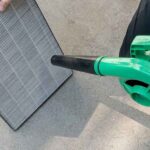
Most common HVAC filters problems come down to airflow. A filter that is clogged, the wrong size, the wrong MERV rating, or seated backward causes weak airflow, fast filter clogging, short-cycling, ice on the coils, odd noises, and climbing energy bills. You can safely diagnose and fix most of them in about fifteen minutes. Anything involving refrigerant, live electrical work, gas, or blower disassembly is where you stop and call a licensed HVAC professional.
The Most Common HVAC Filters Problems at a Glance
Every common filter problem starts with a symptom you notice at a vent, on the filter itself, or on your energy bill. The table below maps each symptom to its most likely filter-related cause, how urgent it is, the safe check you can run yourself, and the exact point where a licensed professional takes over.
| Symptom | Most likely filter cause | Urgency | Safe home check | Stop and call a pro when |
|---|---|---|---|---|
| Weak airflow at vents | Clogged, wrong-size, or backward filter | Medium | Inspect and replace the filter, then run the change test | Airflow stays weak with a fresh filter |
| Filter looks dark or clogs in under a month | Heavy dust load, pets, fan set to ON, leaky ducts | Medium | Check the filter monthly and the thermostat fan setting | Filter stays dark with a musty smell |
| System short-cycles or runs nonstop | Restricted airflow tripping the limit switch | High | Replace the filter and watch cycle length | Cycles stay short after a fresh filter |
| Ice on coils or refrigerant lines in summer | Restricted airflow freezing the coil | High | Replace the filter and let the system thaw off | Ice returns, or you suspect a refrigerant leak |
| Rattling or whistling near the air handler | Loose, misfit, or backward filter | Low to medium | Reseat the filter with the airflow arrow pointing in | Noise continues after a correct reseat |
| Higher energy bills | Clogged filter forcing longer runtime | Medium | Replace the filter and compare the next bill | Bills stay high while the system runs constantly |
Weak Airflow From Your Vents
Weak airflow is the most reported of all common HVAC filters problems, and it is usually a clogged filter. The filter sits at the return air opening, so once it loads with dust the blower cannot pull enough air to push through the ducts.
Run the change test: replace the filter, close the filter access door, let the system run for fifteen minutes, then hold your hand at a supply vent before and after. Noticeably stronger airflow means the filter was the problem. If airflow stays weak with a brand-new filter, the restriction is downstream of the filter, in the ductwork, the blower, or the coil.
None of those are quick homeowner fixes, so book a licensed HVAC professional to inspect.
Your Filter Clogs Fast or Turns Dark
A filter that darkens in under a month is not a bad filter; it is an overloaded one. The usual culprits are pets that shed, recent construction or renovation dust, a thermostat fan left on “ON” instead of “AUTO,” leaky ducts pulling attic or crawl-space air, and cheap fiberglass filters that catch only the largest particles and clog quickly.
The first filter I ever swapped myself was an inch too thick. I wedged it in, the door barely closed, and the blower groaned on startup.
Wrong-size filters do the same thing yours might be doing now. They let air slip around the edges unfiltered while the pleats clog in patches.
Black is different from grey. A filter that turns uniformly grey in a few weeks is working hard and doing its job, while one that develops dark patches quickly can point to soot from candles or a fireplace, or to mold spores in a humid part of the house. Household dust load changes fast too, and a renovation, a new shedding dog, or a pollen-heavy spring can cut filter life in half without the system doing anything different. Monthly checks beat calendar rules when your house is not average.
For mold concerns, treat the source before the filter. The EPA guidance on biological pollutants indoors lists moisture control as the first step, because mold grows wherever dampness sits, and a filter change alone will not fix a damp wall or a leaking coil pan.
Short-Cycling or a System That Runs Nonstop
Short-cycling is when the system fires up, runs for a couple of minutes, and shuts off before reaching the set temperature, usually because a clogged filter starves the heat exchanger and the limit switch trips as a safety. A system that instead runs constantly is the blower working harder and longer to move less air through the same restriction.
Both patterns share one test. Replace the filter, then time the next few cycles, and a normal cycle should heat or cool steadily toward the set point.
If it still kicks off early, or never stops, the cause is beyond the filter: thermostat placement, a failing blower motor, or a refrigerant issue. That is a stop point. Keep the system off and let a licensed professional check it.
Ice on the Coils or Weak Heating
Ice on the indoor coil in summer is a filter problem wearing a refrigerant costume. The coil gets cold, but a clogged filter starves it of air, so the coil keeps cooling itself until condensate freezes and ice builds. Turn the system off, replace the filter, and let the ice thaw completely before running it again, and in winter the same clog shows up as weak heating because the blower moves too little air through a blocked filter.
A filter change often fixes the symptom within an hour. Ice that returns after a fresh filter, or frost on the outdoor lines in summer, points to a low refrigerant charge, and refrigerant work is licensed-professional work. Do not attempt it, and do not add refrigerant from a can; that is how compressors fail and how small leaks become expensive ones.
Odd Noises and Smells Near the Air Handler
A rattling or whistling sound at the air handler is often the filter itself: wrong size, loosely seated, or installed backward. Pull the filter, check the airflow arrow on the frame, and reseat it so the arrow points toward the blower.
If the noise stops, you found it. A musty smell from the vents usually means moisture has collected somewhere, on a wet filter, in the drain pan, or in the ducts, so replace the filter first. If the smell persists, mold in the ductwork needs a professional cleanup, not more airflow.
A burning smell is different. Shut the system down at the thermostat, and if you are comfortable doing so, cut power at the breaker, then call a professional.
Do not restart the system until it has been checked.
Higher Energy Bills
A dirty filter raises energy use because the system simply runs longer to deliver the same comfort. The U.S. Department of Energy estimates that a dirty filter can increase HVAC energy consumption by up to 15 percent, which shows up on the bill as extra runtime month after month.
Sound familiar?
The cheapest energy upgrade in most homes is a three-dollar filter replaced on schedule. Swap it, note the runtime, and compare next month’s bill.
Maintaining consistent airflow is essential for keeping heating and cooling equipment running smoothly throughout the year. When system performance drops despite routine filter swaps, reviewing professional cooling and heating resources can help identify underlying air distribution issues. Homeowners seeking guidance on balancing airflow and system performance can click more to understand how regular servicing helps keep utility costs predictable and extends overall equipment life.
Constant fan operation matters too. A thermostat left on “ON” cycles air through the filter 24 hours a day and loads it faster.
A Safe Routine for Checking and Replacing Filters
Checking and replacing a filter is safe homeowner work when you follow six steps and respect two hard stops, and the whole job takes about fifteen minutes. A filter is a routine part; the maintenance routine around it is where the savings live.
- Turn the system off at the thermostat before opening the filter access panel.
- Locate the filter slot, usually in the return grille, the air handler cabinet, or near the furnace.
- Slide the old filter out and check the size printed on its cardboard frame.
- Buy the exact same dimensions; thickness matters as much as width and height.
- Install the new filter with the airflow arrow pointing toward the blower.
- Close the panel, restore power, and run the system to confirm normal airflow.
Never run the system without a filter, even for a day; unfiltered air coats the blower and coil with dust. For ongoing care, follow the hvac filters maintenance tips in our companion guide, which covers seasonal timing and household factors that change how often you should swap filters.
Two stops apply before you start. If your system burns gas and you smell gas or hear the carbon monoxide alarm, skip the filter and evacuate, then call your utility and a licensed professional.
If any wiring looks damaged or the breaker trips, do not poke at it. Electrical faults are not filter problems.
When electrical issues arise near your air handler, attempting DIY repairs can create safety hazards or cause severe equipment damage. Complex wiring, control boards, and dedicated circuits require professional handling. For specialized assistance with system wiring, control connections, and safety inspections, consult https://www.sandhillsheating.com/electrical to ensure your heating and cooling setup operates safely and reliably alongside routine filter maintenance.
When to Call a Licensed HVAC Professional
Call a licensed HVAC professional whenever a symptom survives a fresh, correctly sized, correctly installed filter, and always for refrigerant, gas, electrical, blower, or mold work. The table below is the boundary you can trust, because it marks where homeowner fixes end and licensed work begins.
| DIY and professional boundary | Homeowner can do | Licensed professional only |
|---|---|---|
| Filter change | Swap and dispose of the old filter | Unusual filter access panels on commercial or rooftop units |
| Airflow problems | Change test, vent check, reseat filter | Duct leakage testing and sealing |
| Refrigerant | Nothing; do not touch lines or valves | Leak detection, recovery, and recharging |
| Electrical | Reset a tripped breaker once | Wiring faults, capacitor and motor diagnosis, repeated trips |
| Gas and combustion | Evacuate on gas smell or CO alarm | Combustion testing, heat exchanger inspection, gas connections |
| Mold in ducts | Replace a musty filter, control humidity | Duct cleaning and mold remediation |
By mid-July the living room vent pushes barely enough air to stir a curtain. The return grille sits dark with dust while the system keeps running and the bill climbs.
Frequently Asked Questions
What are the most common problems with furnace filters?
The most common furnace filter problems are clogging, wrong size, backward installation, and an overly high MERV rating that restricts airflow. All four show up as weak airflow, longer runtime, or odd noises. All four are fixed by matching the filter to the system and changing it on schedule.
How often should HVAC filters be replaced?
Replace standard filters every one to three months, and check monthly if you have pets, allergies, recent construction, or a fan left on “ON.” There is no single national interval, because household dust load and system runtime change the answer more than the calendar.
Are MERV 12 filters bad for HVAC systems?
MERV 12 filters are not bad by themselves, but they can be bad for a system not designed for them. MERV refers to the Minimum Efficiency Reporting Value, a 1 to 16 scale where higher numbers catch smaller particles and also create more airflow resistance, so if the blower cannot handle the pressure drop, use the highest MERV your equipment manual allows.
Can a dirty air filter make you sick?
A dirty filter can worsen allergy and asthma symptoms because it stops cleaning the air, and a wet one can grow mold that releases spores into the living space. Moisture is the trigger, so dry the source and replace the filter. Persistent symptoms are a reason to improve indoor air quality, not just to change filters.
Start With the Filter
Start with the filter every time. Most common HVAC filters problems end right there, with a fifteen-minute swap that restores airflow and quiets the system.
When the symptom survives a fresh, correctly installed filter, that is exactly when the licensed professional earns the call.
This is general guidance for typical residential systems. Your equipment manual and a licensed technician’s inspection of your specific unit take priority.
Last modified: September 21, 2026