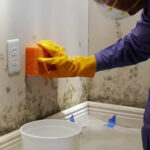
The air inside your home can have a bigger impact on your comfort and health than many people realize. While it is easy to focus on visible cleaning tasks, the air you breathe every day can contain dust, pollen, pet dander, mold spores, smoke particles, and other irritants. Improving indoor air quality does not always require major changes, but it does take a consistent approach. With the right habits and home maintenance steps, you can create a fresher and healthier living environment.
Keep Your Home Properly Ventilated
Good ventilation is one of the simplest ways to improve air quality. When fresh air can move through your home, it helps reduce the buildup of indoor pollutants. Open windows when outdoor conditions are suitable, use exhaust fans in kitchens and bathrooms, and make sure vents are not blocked by furniture or curtains.
Bathrooms and kitchens are especially important because they often produce moisture, odors, and airborne particles. Using fans while cooking or showering can help remove excess humidity and reduce the chance of mold growth.
Change HVAC Filters Regularly
Your heating and cooling system plays a major role in the air you breathe indoors. HVAC filters capture dust, pollen, and other particles before they circulate throughout your home. When filters become clogged, they are less effective and can also make your system work harder.
Check your filter at least once a month and replace it according to the manufacturer’s instructions. Homes with pets, allergy sufferers, or heavy HVAC use may need more frequent changes. Choosing a high-quality filter can also help capture smaller particles.
Reduce Dust And Allergens
Regular cleaning can make a noticeable difference in indoor air quality. Vacuum carpets, rugs, and upholstery often, preferably with a vacuum that has a HEPA filter. Dust surfaces with a damp cloth rather than a dry duster, which can send particles back into the air.
Bedding, curtains, and soft furnishings can also collect allergens, so wash them regularly. If you have pets, brushing them frequently and keeping their bedding clean can help reduce dander around the home.
Control Moisture Levels
Too much moisture can lead to mold and mildew, both of which can affect air quality. Aim to keep indoor humidity levels between 30% and 50%. A dehumidifier can help in damp spaces such as basements, laundry rooms, or bathrooms.
Fix leaks quickly, dry wet areas thoroughly, and watch for condensation around windows. Preventing excess moisture is much easier than dealing with mold once it has spread.
Consider Professional Support
Sometimes, everyday habits are not enough to solve persistent indoor air issues. If your home feels stuffy, smells musty, or seems to trigger allergies, it may be worth exploring air purification services. Professional solutions can help target airborne pollutants more effectively and support cleaner air throughout your home.
Choose Low-Pollutant Products
Many common household products release chemicals into the air. Paints, cleaners, air fresheners, and certain furnishings may contain volatile organic compounds. Whenever possible, choose low-VOC products, fragrance-free cleaners, and natural alternatives.
Improving your home’s air quality is about small steps that work together. With better ventilation, regular cleaning, moisture control, and the right support when needed, you can make your home feel fresher, cleaner, and more comfortable every day.
Last modified: July 13, 2026