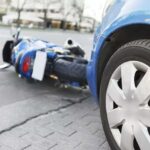
Intersections are designed to organize traffic safely, but they quickly become some of the most dangerous places on the road when drivers ignore traffic signals. A single decision to run a red light can place motorists, pedestrians, cyclists, and passengers directly in the path of high-speed cross traffic, leaving little or no time to avoid a collision. When these crashes occur, understanding your legal options is important, and individuals pursuing passenger injury claims may benefit from learning how liability is evaluated after a serious intersection accident.
Red-Light Violations Create High-Impact Collisions
Red-light accidents are more likely to involve side-impact or T-bone impacts than rear-end accidents. These crashes occur because one vehicle enters an intersection while another lawfully proceeds with the right of way, creating a violent impact that often strikes the side of the vehicle where protection is more limited. Even modern safety systems cannot always prevent severe injuries when vehicles collide at high speeds.
People who run red lights often don’t realize how fast cross traffic starts moving after the light changes. A few seconds of impatience or distraction may not seem like much, but they are often enough to put many people on the road in instant danger. With cars coming from all directions at the same time, even a small mistake can have terrible results at a crossing.
The risks become even greater in busy urban areas where traffic volumes are high throughout the day. Pedestrians entering crosswalks, cyclists crossing intersections, buses, taxis, and multiple lanes of moving vehicles all increase the number of people who may be affected by a single traffic violation. This is why traffic signals remain one of the most important safety measures on public roads.
Several Factors Contribute to Red-Light Crashes
Distracted driving continues to be one of the leading reasons motorists fail to stop at red lights. Looking at a phone, adjusting navigation systems, eating, or simply losing focus for a few seconds can prevent a driver from noticing changing traffic signals until it is too late. These distractions reduce reaction time and increase the likelihood of entering an intersection unlawfully.
Speeding also plays a significant role in many intersection collisions. When drivers go over the speed limit, they need more space to stop safely, which makes it hard to respond when the lights change quickly. Some drivers try to “beat the light,” but they can’t get through the intersection before the cross traffic starts moving.
These risks are increased even more by fatigue, impaired visibility, and bad weather. When coming up to a controlled intersection, it’s much harder to act safely because you can’t see as well, you have to move more slowly, and you can’t make good decisions. To drive safely, you have to pay attention all the time, especially in places where traffic lights control more than one direction of travel.
Passengers Often Have No Ability to Prevent a Collision
Passengers usually have no control over the actions of the driver operating the vehicle or those traveling nearby. Whether riding in a personal vehicle, rideshare, taxi, or other form of transportation, passengers rely entirely on drivers to obey traffic laws and make safe decisions. When another driver’s negligence causes a collision, passengers may suffer serious injuries despite doing nothing wrong themselves.
Because of the force involved in side-impact collisions, intersection crashes often cause serious injuries. After bad crashes, people often get head injuries, broken bones, spinal injuries, internal trauma, and need long-term rehabilitation. Recovery often involves substantial medical treatment, time away from work, and ongoing physical or emotional challenges.
Because passengers are generally not responsible for causing the collision, they may have legal rights depending on the circumstances of the accident. Individuals pursuing passenger injury claims may seek compensation for medical expenses, lost income, pain and suffering, and other damages recognized under applicable law. Knowing these rights can help passengers who have been hurt make smart choices while they are recovering.
Building a Safer Future Through Responsible Driving
Preventing red-light crashes begins with simple but consistent driving habits. Obeying traffic signals, avoiding distractions, maintaining safe speeds, and remaining alert at intersections all reduce the likelihood of devastating collisions. Even when a light turns green, taking a brief moment to confirm that cross traffic has stopped can provide an additional layer of safety.
Public education, effective traffic enforcement, and roadway engineering improvements also contribute to safer intersections. Clearly visible signals, protected turn lanes, and public awareness campaigns encourage safer driving behaviors while reducing opportunities for dangerous violations. Although no safety measure eliminates every risk, responsible driving remains the most effective way to prevent intersection tragedies.
When serious crashes do occur, understanding the causes helps communities promote better road safety while ensuring injured individuals receive the information they need to protect their interests. Every driver has a responsibility to recognize that a few seconds saved by ignoring a red light are never worth the lifelong consequences that may follow.
Conclusion
Running a red light is one of the most dangerous traffic violations because it places unsuspecting motorists, passengers, pedestrians, and cyclists directly in the path of high-speed cross traffic. A moment of impatience or distraction can transform an ordinary intersection into the scene of a life-changing or even fatal collision. By respecting traffic signals, remaining attentive behind the wheel, and understanding the serious consequences of negligent driving, everyone can help make intersections safer for their communities.
Last modified: August 6, 2026