If you are facing a failing heating system, the most urgent question on your mind is likely: “How long does furnace installation take?” According to KRS Holdings NOVA solutions, when you ask HVAC contractors, the standard industry answer is almost always “four to eight hours” or “about one day.”
However, this timeline represents the absolute best-case scenario. Real-world data from HVAC technicians reveals that while a simple, direct replacement can be completed in half a day, unexpected complications, ductwork modifications, or upgrading to a high-efficiency model can easily push the project into a second day. Furthermore, the installation day is only one part of the total timeline—you must also account for research, scheduling wait times, and permit inspections.
This comprehensive guide breaks down the realistic timeline for furnace installation. We will cover scenario-by-scenario time estimates, the hidden factors that add hours to the job, the complete project timeline from decision to a warm home, and the crucial permit process that most contractors forget to mention.
How Long Does Furnace Installation Take? A Scenario-by-Scenario Breakdown
The often-quoted four to eight hours for furnace installation assumes a straight swap: replacing an old furnace with a new one of the exact same type, size, and efficiency rating, located in an easily accessible area with perfectly intact ductwork. In reality, “smooth doesn’t happen very often,” as experienced HVAC installers frequently note.
The actual time required for furnace installation depends entirely on your specific scenario. The table below outlines the realistic hour ranges for common situations.
| Installation Scenario | Realistic Time Estimate | What the Work Involves |
| Direct Swap (Same Efficiency Class) | 4 to 6 hours | Removing the old unit, placing the new unit, connecting existing gas/electrical lines, and testing. |
| Direct Swap + Minor Ductwork | 6 to 9 hours | Replacing the furnace plus modifying the immediate sheet metal plenum to fit a slightly different cabinet size. |
| Upgrading 80% to 90%+ Efficiency | 8 to 12 hours (1 to 1.5 days) | Requires drilling new holes to run PVC intake and exhaust pipes to the exterior, as high-efficiency units cannot use existing metal flues. |
| Full System (Furnace + AC) | 10 to 14 hours (1 to 2 days) | Replacing both the indoor heating unit and the outdoor cooling condenser simultaneously. Scheduling a dual installation for both heating and cooling units can maximize home efficiency, but it also increases the complexity of the project. While the furnace is the primary focus during winter months, ensuring that the entire system is properly calibrated for year-round performance is essential for long-term reliability. Homeowners in coastal regions often face unique environmental challenges that can affect outdoor condensers and indoor components alike. Seeking a professional for ac repair Port Orange can help identify if a cooling system is ready for the upcoming season or if it should be updated alongside a new furnace to ensure consistent indoor comfort. |
| Difficult Access (Attic/Crawl Space) | Add 2 to 4 hours | Navigating tight spaces, hoisting heavy equipment through small hatches, and working in extreme temperatures. |
| New Installation (No Existing Ducts) | 3 to 5 days | Designing and installing a complete ductwork system throughout the home before installing the furnace. |
Note: These estimates assume a standard two-person crew (one lead technician and one helper or apprentice).
6 Factors That Add Time to Your Furnace Installation
When an HVAC crew arrives at 8:00 AM, their goal is to be packing up by 5:00 PM. However, several common factors can extend the timeline significantly.
- Upgrading the Efficiency Class
The most common surprise for homeowners is the time penalty associated with upgrading from a standard-efficiency furnace (80% AFUE) to a high-efficiency condensing furnace (90%+ AFUE). Standard furnaces vent exhaust gases through a metal flue pipe, often shared with the water heater. High-efficiency furnaces extract so much heat that the exhaust is cool and acidic, requiring dedicated PVC piping routed directly outside. Drilling through the foundation or roof and running these new PVC lines adds two to four hours to the installation.
- Ductwork Condition and Sizing
Modern furnaces are often physically smaller but require more precise airflow than older models. The installers almost always have to build a custom sheet metal “transition” or “plenum” to connect the new furnace to your existing ductwork. If your existing ducts are severely undersized, leaking, or damaged, repairing them to ensure the new furnace operates correctly can add anywhere from one to four hours.
- Accessibility Issues
A furnace located in an unfinished basement with a walk-out door is the ideal scenario. If your furnace is located in a cramped attic, a low-clearance crawl space, or a tight utility closet, the installation will take longer. Technicians may have to disassemble the old unit to remove it or carefully maneuver the new unit through narrow hallways, adding one to three hours to the job.
- Fuel Type Changes
Switching from an electric furnace to a gas furnace, or vice versa, requires running new utility lines. Installing a new gas line or upgrading the electrical panel to handle a 240-volt circuit for an electric furnace or heat pump requires specialized labor and can add a full day to the project.
- Additional HVAC Accessories
Many homeowners choose to install indoor air quality accessories alongside a new furnace. Adding a whole-home humidifier, an electronic air cleaner, a UV light purifier, or a smart thermostat requires additional wiring, plumbing, and mounting time, typically adding one to two hours per accessory.
- Unexpected Discoveries
Once the old furnace is removed during installation, technicians sometimes uncover hidden problems. This could include a corroded gas valve, outdated electrical wiring that no longer meets code, or water damage to the flooring beneath the unit. Addressing these safety hazards must happen before the new furnace is placed, which can delay the project by several hours.
Beyond the immediate challenges of an installation timeline, evaluating your home’s total heating and cooling setup ensures better seasonal readiness and energy savings over time. Homeowners can learn this here now by evaluating regional climate adjustments and finding skilled support to properly manage equipment configurations. Keeping system demands balanced prevents unexpected breakdowns when major weather changes occur.
Proactive maintenance can prevent many common mechanical issues before they turn into major installation projects. Property owners who want to avoid unexpected breakdowns often focus on routine checkups. If your current system breaks down unexpectedly during extreme weather, seeking timely furnace repair in Henderson helps restore indoor comfort quickly. Keeping your heating equipment properly maintained minimizes operational strain and extends its overall lifespan.
When considering total heating and cooling system health, focusing on the seasonal readiness of your installation can improve efficiency. Property owners who want to avoid unexpected breakdowns can continue reading detailed technical breakdowns to better prepare their setups. Proper regional configuration changes minimize the operational burden on internal parts during severe adjustments.
The Full Timeline: From Decision to Warm Home
Homeowners often focus solely on the hours the technicians are in the house. However, if your furnace dies in the middle of January, the most critical furnace installation timeline is the total days you will be without heat. The complete process involves several phases.
| Phase | Typical Duration | Description |
| 1. Research & Quotes | 1 to 3 days | Researching local companies and scheduling in-home estimates. It is highly recommended to get at least three quotes. |
| 2. Decision Making | 1 to 2 days | Reviewing proposals, comparing SEER/AFUE ratings, checking warranties, and securing financing if needed. |
| 3. Scheduling Wait Time | 1 to 7 days | Waiting for an available installation date. This varies drastically by season. |
| 4. Installation Day | 4 to 14 hours | The physical removal of the old unit and installation of the new one. |
| 5. Municipal Inspection | 1 to 5 days | A city or county inspector verifies the work meets safety codes (usually occurs after the furnace is running). |
| Total Realistic Timeline | 1 to 2 Weeks | From the moment you realize you need a new furnace until the final inspection is complete. |
The Seasonal Scheduling Reality
Your wait time for an installation date depends heavily on the time of year. During the “shoulder seasons” (spring and fall), HVAC companies often have next-day availability. During peak winter freezes or summer heatwaves, technicians are overwhelmed with emergency repair calls, and you may have to wait three to seven days for an installation slot. Seasonal readiness remains one of the best ways to avoid these scheduling delays. Many homeowners overlook the importance of a pre-season checkup, which can identify small mechanical issues before they lead to a total system failure during extreme weather. If you find yourself needing immediate assistance during these peak times, finding a responsive professional for hvac near me can help you navigate the repair or replacement process more quickly. Staying proactive with maintenance not only supports consistent indoor comfort but also limits the stress of managing a no-heat emergency when local crews are most occupied.
If you are facing a true no-heat emergency in freezing temperatures, reputable companies will often bump you to the top of the priority list or provide space heaters while you wait.
Permits and Inspections: What Most Homeowners Don’t Know
One of the most overlooked aspects of any furnace installation is the municipal permit process. In almost all jurisdictions in the United States, replacing a furnace requires a mechanical permit because it involves gas lines, electrical wiring, and venting dangerous exhaust gases.
Pulling a permit typically takes the HVAC contractor one to three days, though some municipalities offer same-day digital permitting. Once the installation is complete, a city or county inspector must visit your home to verify the work was done to code. This inspection usually happens within one to five business days after installation. Your furnace will be fully operational during this waiting period, but the project is not legally “complete” until the inspector signs off.
A Critical Warning: If a contractor tells you that a permit is not required for a furnace replacement, or asks you to pull the permit yourself as the homeowner, consider this a massive red flag. Professional, licensed HVAC companies always handle the permit process to protect you from liability and ensure their work is verified for safety.
What If the Job Takes Longer Than Expected?
Even with the best planning, a furnace installation can run long. A missing part, a severe winter storm delaying the crew, or a complicated sheet metal fabrication issue can force a one-day job into two days.
If this happens, you should not be left freezing. Before hiring a contractor, ask them explicitly: “What is your policy if the furnace installation takes longer than one day?”
A professional HVAC company will never leave a family without heat overnight in freezing temperatures. If they cannot get the new furnace operational by the end of the day, they should provide heavy-duty electric space heaters to keep your home safe and reasonably comfortable until they return the next morning. Furthermore, the lead technician should communicate clearly by mid-afternoon if they foresee the job extending into a second day, allowing you to adjust your schedule accordingly.
When unexpected delays or complex configurations arise during an installation, having direct access to an expert team can resolve setup challenges. Homeowners can reach out to local specialists to ask questions or confirm technical details regarding system compatibility. For immediate scheduling updates or professional guidance on equipment changes, you can click to visit their support channels. Keeping lines of communication open with experienced technicians helps minimize delays, ensuring your property gets back to comfortable temperatures quickly.
How to Prepare for Installation Day
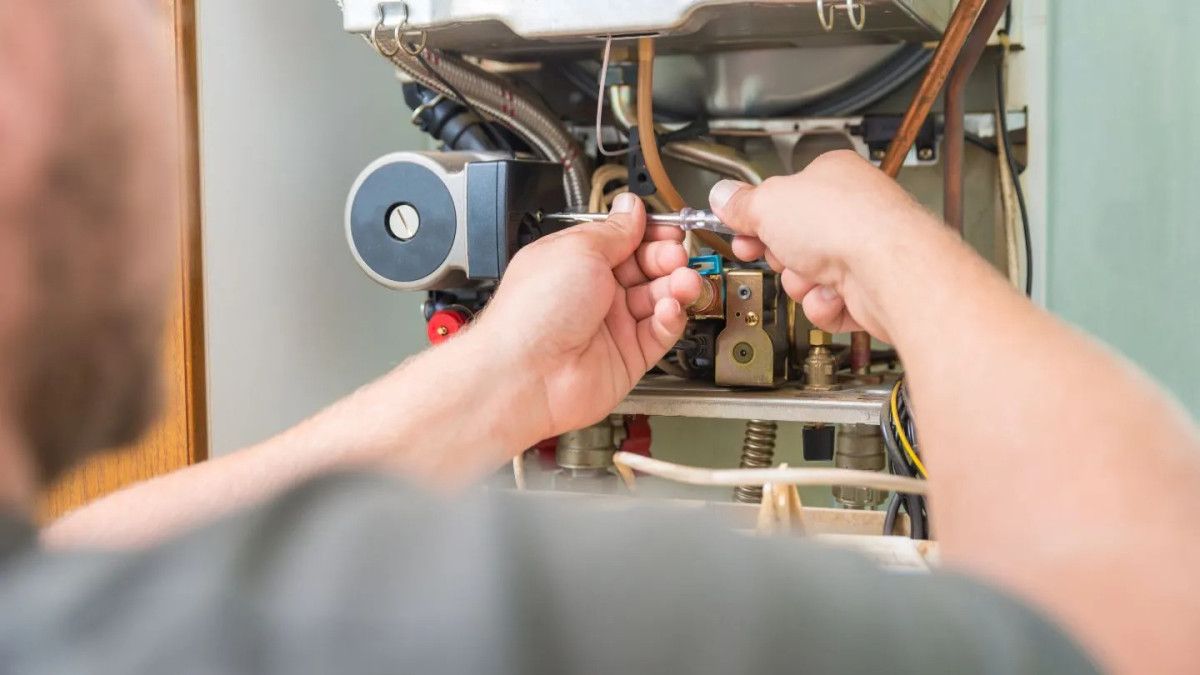
You can help ensure your furnace installation stays on the shorter end of the four-to-eight-hour spectrum by preparing your home before the crew arrives.
The Night Before
- Clear the path:Ensure there is a clear, unobstructed three-foot pathway from the exterior door to the furnace location.
- Clear the workspace:Remove all boxes, storage bins, and furniture within a five-foot radius of the furnace. Technicians need room to maneuver sheet metal and tools.
- Locate the electrical panel:The crew will need to turn off the breakers to the HVAC system immediately upon arrival.
The Morning Of
- Secure pets and children:Installation involves heavy lifting, loud noises, and open exterior doors. Keep pets locked in a separate room and children away from the work zone.
- Plan to be home:An adult decision-maker must be present when the crew arrives to review the plan, and when they finish to sign off on the work. You do not need to hover over them, but you should be in the house.
- Prepare for noise:The process involves power tools, hammering sheet metal, and heavy footsteps. If you work from home, plan to take calls in a distant room or relocate to a coffee shop for the day.
After the Installation (The Walkthrough)
Do not let the crew leave until they have completed a full walkthrough with you. This should take about 20 to 30 minutes. The lead technician should show you:
- How to operate the new thermostat.
- Where the air filter is located and exactly how to change it.
- Where the emergency gas shutoff valve is located.
- That the system cycles on and off correctly in both heating and cooling modes.
Frequently Asked Questions (FAQ)
How long does it take to replace a furnace? A straightforward furnace installation or replacement typically takes 4 to 8 hours. However, if the furnace installation requires modifying ductwork, upgrading to a high-efficiency model with new PVC venting, or working in a tight attic, the process can take 8 to 12 hours or extend into a second day.
What is the $5,000 rule for HVAC? The $5,000 rule is a guideline to help homeowners decide whether to repair or replace an aging HVAC system. Multiply the age of the equipment by the estimated cost of the repair. If the total exceeds $5,000, it is generally more financially prudent to replace the system entirely rather than sink money into a failing unit.
Can furnace installation be done in one day? Yes, the vast majority of standard furnace replacements are completed in a single day, usually between 8:00 AM and 5:00 PM. However, full system replacements (furnace plus air conditioner) or complex ductwork modifications often require two days.
How long does furnace installation take in an attic? Furnace installation in an attic adds significant time due to the difficulty of navigating tight spaces, hoisting heavy equipment through small access panels, and working in extreme temperatures. Expect an attic installation to take 6 to 10 hours, roughly 2 to 3 hours longer than a basement installation.
Conclusion
While “four to eight hours” is the standard answer to how long furnace installation takes, the reality is far more nuanced. By understanding the factors that add time—such as upgrading to a high-efficiency unit or repairing ductwork—you can set realistic expectations for installation day.
More importantly, remember that the physical furnace installation is only one part of a timeline that includes research, scheduling, and municipal permits. To ensure a smooth process, always get multiple quotes, ask contractors about their contingency plans for multi-day jobs, and prepare your home before the crew arrives. By doing so, you can minimize disruptions and enjoy your new, reliable heating system as quickly as possible.
This guide was prepared based on real-world data from licensed HVAC technicians and homeowner experiences. Furnace installation timelines vary by region, home configuration, and contractor availability.
Last modified: August 4, 2026