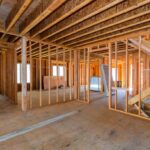
The basement is 800 square feet of concrete floor and exposed joists, says Cornelius property management. It has been that way since you moved in. You have drawn floor plans on graph paper. You have priced out flooring samples. You have mentally placed the sectional and the TV. The one number you do not have is the actual cost to turn that cold, gray rectangle into a finished living space. The answer depends on what “finished” means. At the low end, a basic rec room with painted walls and carpet is $15 to $25 per square foot. At the high end, a fully permitted basement with a bathroom, a wet bar, custom built-ins, and a separate HVAC zone is $50 to $75 per square foot. For an 800-square-foot basement, that is $12,000 to $60,000.
This guide breaks down the cost by scope, by trade, and by the decisions that move the total by thousands of dollars. The numbers are based on national averages for contractor-built finished basements. DIY reduces labor costs by roughly 40 to 60 percent on the trades a homeowner can legally perform, which excludes electrical and plumbing in most jurisdictions.
Cost by Scope: Three Levels of Finish
| Scope | Per Sq Ft | 800 Sq Ft Total | What You Get |
| Basic rec room | $15-25 | $12,000-20,000 | Framed walls, insulation, drywall, painted, carpet, basic lighting, no bathroom |
| Mid-range finish | $30-45 | $24,000-36,000 | Basic plus: half bath or full bath, LVP flooring, recessed lighting, trim, doors |
| High-end finish | $50-75 | $40,000-60,000 | Mid-range plus: wet bar, custom cabinetry, separate HVAC, home theater, egress window |
The single largest cost variable is whether the basement includes a bathroom. A half bath adds $5,000 to $8,000. A full bath with a shower adds $10,000 to $20,000. The bathroom requires plumbing rough-in, which may involve breaking the concrete slab to run drain lines if the rough-in was not installed when the house was built. A basement plumbed for a future bathroom during original construction saves $3,000 to $5,000 compared to one where the slab must be cut open.
Cost Breakdown by Trade
| Trade | Per Sq Ft | 800 Sq Ft | What It Covers |
| Framing | $2-4 | $1,600-3,200 | Stud walls, plates, fasteners, exterior wall furring |
| Insulation | $2-4 | $1,600-3,200 | Rigid foam or spray foam on exterior walls, batts in interior |
| Drywall | $3-5 | $2,400-4,000 | Hanging, taping, mudding, sanding, moisture-resistant where needed |
| Electrical | $3-6 | $2,400-4,800 | Outlets, switches, recessed lights, new circuits, panel work if needed |
| Plumbing (bathroom) | $15-25 (bath area) | $5,000-8,000 | Rough-in, fixtures, toilet, sink, shower, venting, drain lines |
| Flooring | $3-8 | $2,400-6,400 | Underlayment, LVP or carpet, installation |
| Paint and trim | $2-4 | $1,600-3,200 | Primer, paint, baseboard, door casing, caulk |
| HVAC | $2-5 | $1,600-4,000 | Supply and return ducts, possibly a separate zone or mini-split |
| Permits and design | $1-2 | $800-1,600 | Building permit, electrical permit, plumbing permit, plans |
These line items add up to roughly $20,000 to $38,000 for a mid-range basement finish before the bathroom. The bathroom adds $5,000 to $20,000 depending on whether it is a half bath or full bath and whether the slab must be cut for plumbing.
What Drives the Cost Up
- Cutting the concrete slab for plumbing. If the basement was not roughed-in for a bathroom, drain lines must be trenched into the concrete. This requires a concrete saw, a jackhammer, and a plumber. It adds $2,000 to $5,000 to the plumbing cost and creates a dust problem that requires sealing off the basement from the rest of the house.
- Egress windows. Building code requires an egress window in any basement bedroom. Cutting a hole in the foundation wall, installing a window well, and adding the window costs $2,500 to $5,000 per window. This is not optional. A bedroom without egress is not a bedroom at resale and is a safety hazard regardless of resale.
- Ceiling choices. A drop ceiling with acoustic tiles costs $2 to $4 per square foot. Drywall on the ceiling costs $3 to $5. Leaving the ceiling open and painting the joists black costs $1 to $2. A drywalled ceiling looks finished but blocks access to plumbing and electrical above. A drop ceiling allows access at the cost of a slightly lower ceiling height and the institutional look of a grid.
- Staircase finish. The basement stairs are often an afterthought. Finishing them properly with closed risers, stained treads, and a handrail costs $1,500 to $3,000. Leaving the original construction stairs and painting them costs $200. The staircase is the first thing you see when you walk down. It sets the expectation for the finished space.
- Moisture remediation. If the basement has active water intrusion, the waterproofing must be addressed before any finishing work begins. Interior drain tile and a sump pump cost $3,000 to $8,000. Exterior excavation and waterproofing costs $10,000 to $25,000. Finishing a wet basement without fixing the water problem first is the most expensive mistake in this guide because the finished space will be destroyed by the same water that was there before the drywall went up.
DIY vs. Hiring a General Contractor
A homeowner can legally perform framing, insulation, drywall, painting, trim, and flooring without a license in most jurisdictions. Electrical, plumbing, and HVAC require licensed trades and permits. The labor split on a basement finish is roughly 40 percent for the trades the homeowner can do and 60 percent for the licensed trades. DIY on the allowed trades saves $8,000 to $15,000 on an 800-square-foot basement. The licensed trades still cost the same whether the homeowner or a general contractor hires them.
Acting as your own general contractor, hiring each trade directly and managing the schedule, saves the GC markup of 15 to 25 percent. The GC markup pays for scheduling, coordination, and the GC’s relationships with subs who prioritize their jobs. An owner-managed basement takes longer because each sub schedules a small basement job around larger projects. The 15 to 25 percent savings is real. The tradeoff is time and the absence of a single point of accountability when something goes wrong.
Regional Cost Differences
Location moves the per-square-foot cost by 20 to 30 percent. A finished basement in the Midwest or South costs $20 to $40 per square foot for a mid-range finish. The same scope in the Northeast or on the West Coast costs $35 to $60 per square foot. Labor rates drive the difference. The materials cost roughly the same nationwide. A 2×4, a sheet of drywall, and a box of flooring cost within 10 percent of each other in Ohio and California. The electrician and plumber charge double in California. Get local quotes. National averages are a starting point, not a budget.
Frequently Asked Questions
Does finishing a basement increase home value enough to pay for itself?
A finished basement typically recoups 70 to 75 percent of its cost in increased home value at resale. The return is higher in markets where basements are common and expected, such as the Midwest and Northeast, and lower in markets where basements are less common, such as the South and coastal West. A basement with a bedroom and bathroom recoups more than a basement finished as a single open room because the bedroom and bathroom add to the home’s listed bedroom and bathroom count.
Do I really need a permit to finish my basement?
Yes. Finishing a basement requires a building permit in every jurisdiction that has a building code. The permit triggers inspections of the framing, electrical, plumbing, and final occupancy. An unpermitted basement is flagged during a home sale inspection and must either be permitted retroactively, which is difficult after the walls are closed, or devalued as unpermitted square footage. The permit costs $800 to $1,600. The liability of not having one is the cost of the entire renovation.
What is the cheapest way to finish a basement that still looks finished?
Paint the concrete floor instead of installing flooring. Paint the ceiling joists black instead of installing a ceiling. Frame and drywall the walls with R-10 rigid foam insulation behind them. Install basic overhead lights with pull chains instead of wiring wall switches. This gives you a finished-looking space for $8 to $12 per square foot. It is not a living room. It is a rec room, a workshop, or a kids’ play area. The floor is cold. The ceiling is open. The lights are basic. But the walls are insulated and painted, and the space is usable and dry.
The Basement That Pays Back
A finished basement is the largest square footage addition to a house that does not require adding square footage to the foundation. The space is already there. It is just not usable in its current state. The cost to finish it is the cost to double the usable living space of the home without moving any walls.
Get multiple quotes. The range between a low bid and a high bid on the same scope of work can be $15,000. The low bid is not always the best. The high bid is not always inflated. The difference is in the details: insulation type, drywall finish level, flooring quality, trim package. Understand what each quote includes before comparing the numbers. A detailed quote that costs more is more useful than a low quote that is missing line items that will show up as change orders later.
Last modified: July 16, 2026