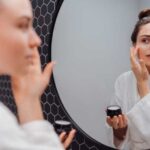
The great foundation-versus-concealer debate has a definitive answer, and it depends entirely on what you’re trying to hide. Apply foundation first if you want an even, all-over canvas that lets you use less concealer. Apply concealer first if you’re tackling heavy dark circles or red splotches with a color correcting concealer, then layering a sheer foundation over top to preserve that correction. One method saves product.
The other saves your sanity when you wake up looking like you lost a fight with a pillow.
Most tutorials skip the boring part that actually makes the difference: skin prep. A properly hydrated face with the right makeup primer application transforms how your foundation coverage levels sit on your skin. Without it, even expensive products will settle into lines and flake off by noon. The tools matter, too.
A damp sponge gives a different finish than a flat brush, and your fingers, surprisingly, often win for warmth and blendability. Celebrity makeup artist Brigitte Reiss-Andersen recommends using a damp sponge for foundation: “It gives the skin a truly natural, glowy quality.” The trick is knowing which tool matches your formula and your skin type, not just following what the influencer on your feed is doing.
Foundation vs. Concealer: Which Goes On First?
The correct order depends entirely on your skin concerns and the finish you want. Apply foundation first if you want an even base with less product. Apply concealer first if you need heavy color correction for dark circles or redness. Celebrity makeup artist Kim Baker puts it plainly: “As a pro artist, I prefer to apply foundation first so that when I blend my concealer into the foundation, it looks completely seamless.”
The Case for Foundation First (Standard Method)
This is the most common approach for a reason. Applying foundation first creates an even canvas, which means you use significantly less concealer afterward. You spot-treat only what still shows through — a lingering red spot, a bit of darkness under the eye — rather than covering your entire face twice. Celebrity makeup artist Robert Sesnek estimates that 90% of the time, foundation alone delivers flawless coverage, and concealer layered on top is just a finishing touch.
What many tutorials don’t tell you: foundation first prevents the “patchy concealer” look. When you apply concealer onto bare, unprimed skin and then try to blend foundation over it, the concealer can shift or lift. Foundation first locks your base in place, so your concealer sits on top of a stable surface.
This method works best for medium to full coverage foundations. If your foundation already covers 80% of your discoloration, you only need concealer for the stubborn 20%. You also avoid wasting expensive concealer on areas that foundation could handle alone.
The Case for Concealer First (Color-Correction Method)
Flip the order when you’re dealing with significant discoloration. Heavy dark circles, active breakouts, or large patches of redness benefit from concealer applied directly to clean, primed skin — before any foundation touches your face. Celebrity makeup artist Sebastien Tardif notes that color-correcting concealers like Bobbi Brown Under Eye Corrector are designed to sit directly on the skin to neutralize discoloration at its source.
Here’s the technique: apply your concealer or color correcting concealer precisely where needed. Let it sit for 30 seconds to warm up. Then gently blend the edges outward, leaving the center untouched. Apply a sheer to light coverage foundation over the whole face, blending carefully so you don’t disturb the concealer underneath.
The advantage? You use less foundation overall, and your concealer does the heavy lifting without being diluted by foundation layers on top. This is the preferred method for professional makeup artists working with clients who have rosacea, severe hyperpigmentation, or deep under-eye circles.
One catch: this only works with lightweight, buildable foundations. A heavy full-coverage foundation will smear your concealer around. Stick with skin tints, tinted moisturizers, or light liquid foundations.
Quick Decision Guide
Still unsure? Here’s the shortcut: want full coverage with minimal effort? Foundation first. Need to neutralize serious dark circles or redness? Concealer first. Have normal skin with light discoloration? Foundation first, every time. Using a color correcting concealer (green for redness, peach for dark circles)? Concealer first, always — you need that color to sit directly on the skin to work.
| Your Goal | Application Order | Best Foundation Type | Concealer Type |
|---|---|---|---|
| Even skin tone, light coverage | Foundation → Concealer | Medium to full coverage | Skin-toned, light reflecting |
| Heavy dark circles or redness | Concealer → Foundation | Sheer to light coverage | Color correcting or high-coverage |
| Blemishes and acne scars | Foundation → Concealer | Full coverage, matte | High-coverage, long-wear |
| Minimal makeup, natural look | Foundation → Concealer | Skin tint or tinted moisturizer | Sheer, blendable |
The takeaway: foundation first is the default for most people. Concealer first is a specialized technique for specific skin concerns. Neither is wrong , but using the wrong method for your skin type is where things go sideways.
Step-by-Step Application for Beginners
Step 1: Prep Your Canvas (Skin Care & Primer)
The difference between makeup that sits on your skin and makeup that looks like skin starts here. Cleanse your face to remove oil and debris, then apply a moisturizer suited to your skin type. Wait 60 seconds for it to absorb. Primer is not optional. A mattifying primer for oily skin controls shine; a hydrating primer for dry skin prevents flaking.
According to the American Academy of Dermatology (2024), proper skin prep reduces visible texture by up to 40% before foundation even touches your face. Apply primer with clean fingers, focusing on the T-zone and areas with enlarged pores. Let it sit for two minutes before moving on.
Step 2: Apply Foundation (Liquid, Cream, or Powder)
Dot foundation onto the center of your face , cheeks, nose, forehead, chin , and blend outward toward your jawline and hairline. The center of the face typically needs more coverage; blending outward creates a natural fade. For liquid formulas, use a damp makeup sponge for a sheer finish, a dense brush for medium coverage, or your fingers for warmth that melts the product into skin.
Cream foundations work best with a stippling brush. Powder foundations should be applied with a fluffy brush in circular motions. The correct order of makeup application is foundation first in most cases, because it lets you see exactly where you still need concealer. A common mistake is applying too much product. Start with one pump or pea-sized amount. You can always add more.
Step 3: Apply Concealer Strategically
Concealer is not a foundation replacement. Use it only where you need extra coverage: under-eyes, around the nose, on blemishes, and on any redness the foundation missed. For under-eyes, draw an inverted triangle shape from the inner corner outward toward the temple. This brightens the entire eye area rather than just the dark circle.
For blemishes, use a small precision brush to dab concealer directly on the spot, then pat the edges with your ring finger. A color correcting concealer can neutralize specific issues: peach for dark circles on medium skin, green for redness, lavender for sallowness. The concealer shade for under-eyes should be one shade lighter than your foundation. For blemishes, it should match exactly. Do you apply concealer or foundation first?
In this standard method, foundation goes first. The exception is heavy color correction, where concealer applied before a sheer foundation prevents a cakey finish.
Step 4: Blend and Set
This is where makeup blending techniques separate a professional finish from a streaky mess. Use a clean, damp sponge or a fluffy brush to gently tap the edges of your concealer into your foundation. Do not swipe. Swiping lifts product and creates patchiness. Patting presses the layers together. Once everything is blended, immediately set the concealer with a light dusting of translucent setting powder.
Use a small fluffy brush for under-eyes and a larger brush for the rest of the face. Let the powder sit for 30 seconds to absorb excess oil, then dust off the excess with a clean brush. A setting spray at the end melts the powder into the skin and extends wear time. How do you apply concealer without it looking cakey?
Use minimal product, blend with a damp sponge, and set before the concealer dries down completely.
“I paid $300 for a one on one makeup lesson with a professional makeup artist, here is what I learned.”
, Reddit user, r/MakeupAddiction, September 2018
| Step | Key Action | Common Mistake |
|---|---|---|
| 1. Prep | Cleanse, moisturize, prime | Skipping primer or not letting products absorb |
| 2. Foundation | Dot center, blend outward |
Choosing the Right Tools and Formulas for Your Skin Type
The difference between a good makeup day and a great one comes down to two decisions: what you apply with and what formula you choose. Most beginners grab whatever sponge is cheapest and whichever foundation looks close on the back of their hand. That approach works about half the time. Here’s the practical breakdown.
Tool Showdown: Brush vs. Sponge vs. Fingers
Each tool changes how the product sits on your skin. A brush pushes pigment into place for maximum coverage. A sponge absorbs excess product while pressing it into the skin for a natural finish. Fingers use body heat to melt product into the skin, which works surprisingly well for cream formulas.
| Tool | Finish | Coverage | Best For |
|---|---|---|---|
| Flat synthetic brush | Polished, slightly textured | Full to medium | Liquid foundation on normal or oily skin |
| Stippling brush | Airbrushed, soft | Buildable medium | Sheer to medium coverage, especially cream formulas |
| Damp beauty sponge | Skin-like, dewy | Light to medium | Dry or mature skin; thin liquid foundations |
| Fingers | Warm, melted-in | Sheer to medium | Cream concealer, skin tints, or travel touch-ups |
A common mistake: using a dry sponge. According to the American Academy of Dermatology Association (2023), dampening your sponge before application prevents the product from soaking into the sponge instead of depositing onto your skin. Squeeze it until no water drips out, then apply.
Formula Finder: Liquid, Cream, or Powder?
Your skin type determines which formula will actually stay on your face past lunch. Liquid foundations work for most skin types because they’re adjustable , thin them with moisturizer for dry skin, or set them with powder for oily. Cream formulas contain more emollients, making them ideal for dry or mature skin where powder would settle into fine lines.
Powder foundations are the fastest option for oily skin but can look flat if applied over dry patches.
Skin tints, which sit between tinted moisturizer and foundation, work well for lazy days or when your skin is behaving. They typically offer 10-15% pigment coverage versus a foundation’s 50-80%, according to industry formulation standards. For color correcting concealer, stick to cream formulas , powder correctors don’t blend well and tend to cake.
Color Matching 101: Undertones and Shade Selection
Testing foundation on your jawline rather than your wrist or hand gives you the most accurate match. Your face and neck often differ from your arm by a full shade. Swipe three shades side by side , the one that disappears into your skin is the winner.
For concealer, the rule shifts based on where you’re applying it. Under the eyes, go one shade lighter than your foundation to brighten the area. For blemishes or redness, match your concealer exactly to your foundation shade. A lighter concealer on a pimple draws attention to it rather than hiding it.
Undertone matters here too: warm undertones (yellow or golden) suit olive and golden skin, while cool undertones (pink or rosy) match fair and porcelain complexions. Neutral undertones can wear either, but should avoid anything with obvious pink or yellow casts.
Troubleshooting: Fixing Common Makeup Mistakes
Even with perfect skin prep and the right tools, things can go sideways. Most base makeup problems come down to three specific errors: creasing, cakiness, and oxidation. Here’s how to fix each one without starting over.
Why Does My Concealer Crease?
Creasing happens when product settles into fine lines and dries there. The fix starts before concealer touches your skin. Apply a thin layer of eye cream and wait 90 seconds for full absorption. Then use the smallest amount of concealer possible , a single rice-grain size per eye is enough.
Set immediately. Press a translucent powder into the concealer with a damp sponge while the product is still slightly tacky. Waiting even 30 seconds allows the concealer to settle into lines permanently. According to dermatologists at the American Academy of Dermatology (2024), dehydrated under-eye skin is 40% more prone to product creasing regardless of formula quality.
How to Avoid a Cakey or “Mask-Like” Finish
A cakey finish means you layered too much product, used too much powder, or both. The solution: use a damp makeup sponge for every step. Dampen it until it expands fully, then squeeze out 90% of the water. This dilutes foundation slightly and prevents the sponge from absorbing excess product.
Apply foundation in thin layers. Start with one pump, blend outward, then assess. Most people need half the product they think they do. For powder, use a fluffy brush and tap off excess before touching your face. Finish with a setting spray misted from 10 inches away , it melts powder particles into the skin and eliminates that dry, dusty look.
| Problem | Primary Cause | Quick Fix |
|---|---|---|
| Creasing under eyes | Too much product + delayed setting | Rice-grain amount, set while tacky |
| Cakey finish | Excess powder or thick layers | Damp sponge, one pump, light dusting |
| Orange oxidation | Formula reacting with skin oils | Antioxidant primer, neck test first |
Dealing with Oxidation (Foundation Turning Orange)
Oxidation occurs when foundation pigments react with oxygen and your skin’s natural oils. The result: a shade that looks perfect in the bottle but shifts orange or dark within 30 minutes of wear. This is common with foundations containing iron oxides and certain emulsifiers.
What many people don’t realize is that primer choice matters more than foundation brand. A primer with antioxidants , look for vitamin C, vitamin E, or niacinamide in the ingredients , creates a barrier between your skin’s oils and the foundation. Apply primer and wait two minutes before foundation application.
Test foundation on your neck, not your jawline, and wait five minutes before buying. If it shifts more than half a shade in that window, it will oxidize worse over a full day of wear. For oily skin types, a mattifying primer with silica reduces oxidation by absorbing excess sebum before it reaches the foundation layer.
Frequently Asked Questions
Do you apply concealer or foundation first?
Apply foundation first in most cases. This standard method lets you see which areas actually need extra coverage after your base is even. You’ll use less concealer and avoid the patchiness that comes from blending concealer into bare skin. The exception is heavy color correction , if you’re neutralizing deep dark circles or severe redness with a peach or green corrector, apply that before foundation, then layer sheer foundation on top to avoid a muddy finish.
How do you apply foundation and concealer for beginners?
Start with clean, moisturized skin and a primer suited to your skin type , mattifying for oily skin, hydrating for dry. Dot liquid foundation on the center of your face (cheeks, nose, forehead) and blend outward with a damp sponge for a natural finish. Apply concealer only where needed: under eyes in an inverted triangle shape, and directly on blemishes. Blend the concealer edges gently into the foundation, then set everything with a light dusting of translucent powder.
What is the correct order of makeup application?
Skin care (cleanse, moisturize, SPF) comes first. Then primer, followed by foundation. Concealer goes on after foundation, then powder to set. Bronzer, blush, and highlighter come next, with setting spray as the final step. This order prevents pilling and ensures each layer adheres properly to the one beneath it.
How do you apply concealer without it looking cakey?
Use less product than you think you need , a single rice-grain sized drop per under-eye is enough. Apply with a small brush or your ring finger (the lightest pressure), then blend immediately before it dries. Set with powder within 30 seconds of blending, while the concealer is still slightly tacky. Skipping eye cream beforehand is a common mistake that makes concealer settle into fine lines and look dry within hours.
Should concealer be lighter or darker than foundation?
One shade lighter for under-eyes to brighten the area. An exact match for blemishes and redness , lighter concealer draws attention to spots instead of hiding them. Never go more than one shade lighter than your foundation, or you’ll get the reverse-raccoon effect. Test concealer on your jawline in natural light before buying.
Why does my concealer crease?
Creasing happens when too much product settles into fine lines. Apply a thin layer of eye cream and let it absorb for two minutes before concealer. Use minimal product and set with powder immediately , a damp sponge pressed gently over the powder helps it melt into the skin rather than sit on top. One thing many people miss: blinking a few times after applying concealer but before powdering. This reveals where creases will form so you can blend those spots out first.
What tools work best for different formulas?
| Formula | Best Tool | Finish | Skin Type Match |
|---|---|---|---|
| Liquid foundation | Damp sponge | Sheer to medium, natural | Normal, dry, combination |
| Cream foundation | Stippling brush or fingers | Medium to full, dewy | Dry, mature |
| Powder foundation | Dense kabuki brush | Sheer to buildable, matte | Oily, acne-prone |
| Concealer (under-eye) | Small precision brush or ring finger | Natural, brightened | All skin types |
Conclusion
Mastering how to apply concealer and foundation makeup isn’t about buying the most expensive products. It’s about order, prep, and knowing when to break the rules. Start with skin prep , primer tailored to your skin type makes more difference than any foundation shade ever will. Choose your order based on coverage needs: foundation first for an even canvas, concealer first if you’re color-correcting heavy discoloration.
Match your tools to your finish , damp sponge for natural, brush for full coverage, fingers for warmth and speed. And when things go wrong (creasing, caking, oxidation), you now know exactly what to fix. One final takeaway: less product, more blending. That’s the shortcut to a pro finish.
Last modified: May 20, 2026