If you’re a homeowner with a metal roof who is considering making the switch to solar energy, you’ve probably experienced a very specific kind of frustration. You ask a roofing contractor if you can put solar panels up there, and they suck air through their teeth, warning you about voided warranties and bent tiles. Then you ask a solar salesperson, and they tell you it’s the easiest thing in the world, highlights KRS Lynchburg professionals.
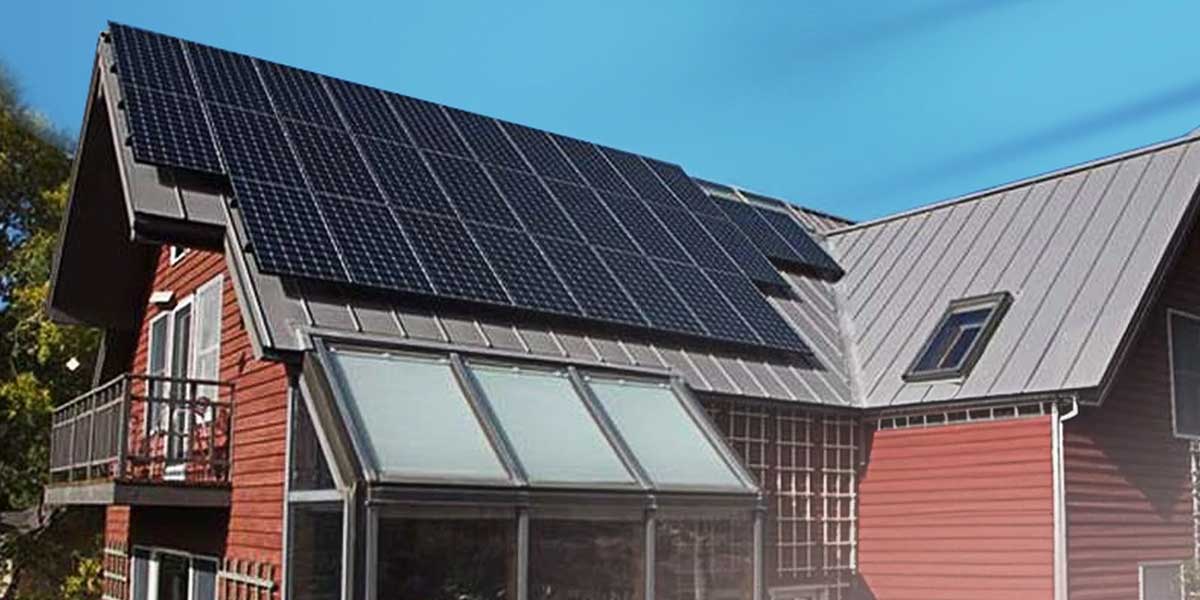
So, who is telling the truth? The short answer is: Yes, you absolutely can install solar panels on a metal roof. In fact, from an engineering and longevity standpoint, metal is widely considered the absolute best roofing material for solar installations.
However, the real problem isn’t whether it can be done. The real issue is that the type of metal roof you have completely dictates how the installation must happen, how much it will cost, and whether your installer is actually qualified to do it. A standing seam roof requires a completely different approach than a corrugated metal roof or metal shingles.
In this comprehensive guide, we’re cutting through the sales pitches. We’ll show you exactly how solar panels attach to different metal roofs, tackle the massive fear of voided warranties, provide real cost comparisons, and give you the exact questions you need to ask an installer before letting them anywhere near your roof.
The 3 Types of Metal Roofs (And How Solar Attaches to Each)
When you ask an installer “Can you put solar on my metal roof?”, their immediate follow-up question should be: “What kind of metal roof do you have?” If they don’t ask this, run the other way. Here is how the installation process differs for the three main profiles.
1. Standing Seam Metal Roofs (The Gold Standard)
If you have a standing seam metal roof, you have hit the solar jackpot. This is the absolute easiest and safest roof type for solar panel installation.
Instead of drilling holes through your roofing material and into the roof deck below, installers use specialized clamps (like those made by S-5!) that pinch tightly onto the raised seams of the metal. The solar racking is then bolted directly to these clamps.
Because there are zero penetrations through the roof surface, the risk of water leaks is virtually eliminated. This method also drastically reduces labor time, meaning your installation should be faster and potentially cheaper than on a standard asphalt shingle roof.
2. Corrugated & Trapezoidal Metal Roofs (Requires Penetration)
Corrugated (wavy) and trapezoidal (flat-topped ridges) metal roofs are also excellent candidates for solar, but they require a different approach. Because there are no raised seams to clamp onto, the installers must attach the mounting hardware directly to the roof structure.
This means drilling holes. However, modern solar mounting systems (like EcoFasten’s RibFit or CorruSlide) are specifically engineered to make this safe. Installers use specialized brackets that attach to the peaks of the corrugations—never the valleys where water flows. They use self-piercing screws equipped with EPDM rubber gaskets that expand and seal the hole completely watertight as they are driven in.
⚠️ Critical Warning for Pre-Fab Metal Buildings: If you are installing solar on a metal barndominium or a pre-fabricated metal garage, you must check the structural capacity first. Many pre-fab kits use very thin metal panels that cannot support the weight of solar brackets without tearing. Your installer may need to land the mounting feet directly onto the structural C-purlins underneath the metal, which is significantly more difficult.
3. Metal Shingles & Tiles (The Tricky Ones)
This is where things get complicated, and where you are most likely to hear an installer say “no.” Metal shingles and stone-coated steel tiles (like DECRA or Worthouse) look beautiful, but they are easily bent, dented, or crushed if walked on incorrectly during a solar installation.
To install solar here, technicians usually have to use specialized mounts that slip under the metal tiles and attach to the roof deck, or carefully cut into the surface to install flashed mounts. Because of the high risk of cosmetic damage and the slower labor required, many standard solar companies simply walk away from these jobs.
Pro Tip: If an installer refuses your metal tile roof, do what one savvy homeowner on Reddit did: call the manufacturer of your metal tiles directly. Most manufacturers (like DECRA) actually have approved solar mounting hardware they recommend. They will often provide guidance directly to your solar installer to ensure the job is done right.
Will Solar Panels Void My Metal Roof Warranty?
This is the number one fear for homeowners, and it is entirely justified. You just spent $20,000+ on a metal roof designed to last 50 years; the last thing you want is a solar company voiding your protection.
The honest truth is that there are two different warranties at play: the manufacturer’s material warranty, and the roofer’s labor/workmanship warranty.
In most cases, installing solar panels does not void the manufacturer’s material warranty (like from GAF or Worthouse), provided the solar company uses industry-standard, approved mounting hardware. However, it almost certainly will void the original roofer’s labor warranty for the specific areas of the roof that are penetrated.
Here is how real professionals discuss this reality in the r/solar community:
“GAF specifically states they will continue warranty if completed by certified solar company. That said, many solar companies have warranty that cover the part of the roof they install solar on. The solar company will not cover parts of roof they don’t work on, and roof company SHOULD not be able to deny parts of roof where no solar is.”
– u/Solarinfoman, r/solar, 4 years ago
However, some roofing companies use the threat of a voided warranty as a tactic to force you to hire them for the solar installation, often at a massive premium. Another experienced installer warned about this exact scenario:
“Metal shingles are certainly fine for solar. But metal roofers will claim that you will void the warranty unless they are there for the installation. But then actually getting them to be there will take forever and cost a fortune. They make more money installing new Roofs and don’t really want to go back and work on older roofs so cash is how you convince them to show up.”
– u/NECESolarGuy, r/solar, 4 years ago
The Solution: Your solar installer must provide a comprehensive “Roof Penetration Warranty” (usually 10 to 25 years) that explicitly covers any leaks or damage caused by their mounting hardware. If the solar company won’t guarantee their penetrations in writing, do not hire them.
How Much Does It Cost vs. Asphalt Shingles?
Many homeowners assume that because metal roofs are premium products, installing solar on them must carry a massive premium price tag. The reality is much more nuanced. Depending on your roof type, it might actually be cheaper.
Solar installation costs are driven by two factors: hardware (the mounts and rails) and labor (how long it takes the crew to get the panels safely secured).
| Roof Type | Hardware Cost | Labor Time | Overall Cost Impact (vs. Asphalt) |
|---|---|---|---|
| Asphalt Shingles | Baseline | Baseline | Standard Pricing |
| Standing Seam Metal | Slightly Higher (S-5! Clamps) | Significantly Lower (No drilling) | Same or Slightly Cheaper |
| Corrugated Metal | Higher (Specialized brackets) | Slightly Higher (Careful drilling) | +$500 to +$1,000 |
| Metal Shingles/Tiles | Highest (Custom flashing) | Highest (Slow, delicate work) | +$1,000 to +$2,500 |
While you might pay a slight premium upfront for corrugated or tile installations, you make that money back in the long run. An asphalt roof only lasts 15 to 20 years, meaning most homeowners have to pay a solar company $3,000 to $5,000 to remove and reinstall their solar panels when the roof needs replacing. Because a metal roof lasts 50+ years, it will easily outlive your 25-year solar panels, saving you thousands in removal fees down the road.
5 Questions to Ask Your Solar Installer Before Signing
The biggest mistake you can make is assuming every solar installer knows how to handle metal. Before you sign a contract, take control of the process by asking these five specific questions:
- “What specific mounting hardware brand do you use for my roof profile?” (Listen for trusted names like S-5!, EcoFasten, or Quick Mount PV. If they say they just use standard L-feet and lag bolts, walk away.)
- “How do you handle waterproofing for the penetrations?” (If you have a corrugated roof, they should mention EPDM rubber gaskets and drilling into the peaks, not the valleys.)
- “Who covers the warranty if a leak occurs at a mounting point?” (Demand to see their workmanship warranty in writing. It should be at least 10 years.)
- “Have your crews installed on this specific metal gauge and profile before?” (Ask for photos of past local jobs on roofs identical to yours.)
- “Will you coordinate with my roof manufacturer?” (If you have metal tiles, a good installer will be happy to consult the manufacturer’s technical guides.)
Frequently Asked Questions (FAQ)
Do solar panels make a metal roof hotter?
No, they actually do the opposite. Metal roofs are already highly energy-efficient because they reflect solar radiation rather than absorbing it like asphalt. When you install solar panels, they act as a shade canopy over your roof. The panels absorb the sunlight to make electricity, keeping the metal roof underneath significantly cooler, which further lowers your summer air conditioning bills.
Lowering thermal absorption on the roof helps reduce overall cooling demands throughout the home, which works hand in hand with maintaining an efficient cooling system. Homeowners managing indoor temperature control alongside solar upgrades often consult specialists in hvac San Jose to ensure their heating and cooling equipment operates smoothly alongside home energy improvements.
Can I install thin-film solar instead of traditional panels?
Yes, if you have a standing seam metal roof, you are one of the few homeowners who can utilize thin-film solar (like those made by MiaSolé). These panels use an adhesive backing to stick directly to the metal panels between the seams. They have a completely flat profile and are virtually invisible from the street. However, they are generally less efficient per square foot than traditional rigid silicon panels.
What happens if my metal roof is already 20 years old?
Because high-quality metal roofs can last 50 to 70 years, a 20-year-old metal roof still has 30+ years of life left. This means it is still perfectly safe to install solar panels, as the roof will still outlive the 25-year lifespan of the solar array. You would never do this on a 20-year-old asphalt roof.
Can I DIY solar on a metal roof?
While it is possible, it is highly risky unless you have structural engineering knowledge. As one professional noted on Reddit regarding DIY metal roof jobs:
“Also double check the structural capacity of the roof, a lot of pre fab metal buildings don’t have a lot of reserve capacity.”
– u/langjie, r/solar, 3 years ago
If you miss the structural purlins, or if you over-torque a clamp on a standing seam and break the metal’s weather seal, you could cause catastrophic damage to your home that no insurance will cover.
The Bottom Line
Installing solar panels on a metal roof is not just possible; it is one of the smartest long-term investments a homeowner can make. By pairing the 50-year durability of metal with the 25-year energy production of solar, you create a system that will lower your bills for decades without the looming threat of a mid-life roof replacement. For homeowners looking to extend solar beyond the roof to pool heating and water heating, Suntrek Solar specializes in complete residential solar solutions that complement rooftop PV installations.
Just remember: your roof is only as good as the installer who works on it. Demand the right hardware, insist on a watertight warranty, and don’t be afraid to walk away from a contractor who doesn’t respect the unique engineering of your metal roof.
Last modified: September 21, 2026