How Often Should You Service Your Specific HVAC System?
Not all HVAC systems are built the same, which means a blanket “once a year” answer is dangerous. The frequency of your maintenance depends on how many months out of the year the equipment actually runs. If you are unsure what type of system you have, check your outdoor unit or ask your technician during their next visit.
Here is the exact schedule you should follow based on your equipment:
| System Type | Recommended Service Frequency | Best Time to Schedule |
|---|---|---|
| Central Air Conditioner | Once a year | Spring (March or April) |
| Gas or Electric Furnace | Once a year | Fall (September or October) |
| Heat Pump | Twice a year | Spring and Fall |
| Ductless Mini-Split | Once to twice a year | Spring (and Fall if used for heating) |
If you have a heat pump, you cannot afford to skip a bi-annual checkup. Because heat pumps handle both heating and cooling, they run 12 months out of the year. Expecting a heat pump to survive on one service visit a year is like driving a car 50,000 miles without changing the oil.
How Your Climate and Environment Change the Rules
The standard “once a year” rule assumes you live in a moderate climate.
Environmental conditions can vary significantly, meaning that a more personalized maintenance schedule might be necessary to keep your home comfortable. In areas with high humidity or heavy seasonal debris, systems often work harder to maintain air quality and temperature balance. Coordinating with local experts like Service Stars can help homeowners establish a routine that addresses these specific regional challenges. By ensuring that components are cleaned and tested based on actual usage and local conditions, you can maintain better airflow and prevent minor issues from turning into expensive mid-season failures. Dedicated care helps provide consistent performance and reliability throughout the year.
However, environmental factors play a massive role in how quickly your system degrades. Your location might require you to adjust your service schedule.
If you live in a region with extreme temperatures—like the scorching summers of Phoenix, Arizona, or the humid, year-round heat of Florida—your air conditioner is running almost constantly.
Living in a coastal or humid environment like Cocoa can also introduce unique challenges to your cooling equipment. The salt air and persistent moisture often accelerate the wear on external components, making it even more important to stay on top of regular inspections. Consistent check-ups can help identify early signs of corrosion or blockages that might otherwise lead to a system failure during a peak heat wave. Taking these proactive steps ensures your home remains a comfortable retreat while helping to manage energy consumption and maintain reliable airflow throughout the most demanding months of the year.
In these climates, many HVAC professionals recommend having your AC checked twice a year to ensure the refrigerant levels are perfect and the condenser coils are not overheating.
Similarly, your immediate environment matters. As one Reddit user on the r/homeowners forum pointed out, having cottonwood trees in your neighborhood changes everything. The fluffy seeds produced by these trees act like a blanket, instantly clogging the fins of your outdoor condenser unit. If you live near cottonwoods, or in an area with heavy pollen or dust, you must clean your outdoor unit much more frequently than someone living in a concrete urban environment.
The Hidden Catch: Manufacturer Warranties
Here is what most HVAC companies will not tell you until it is too late: skipping your annual maintenance can legally void your manufacturer warranty. If your compressor dies in year six of a ten-year warranty, the first thing the manufacturer (whether it is Trane, Carrier, or Lennox) will ask for is proof of annual maintenance.
If you cannot produce the receipts showing that a licensed professional inspected the system every year, your claim will likely be denied.
Beyond protecting your financial investment, staying current with maintenance tasks supports the long-term safety of your household. While general check-ups cover the entire system, specific attention to heating components is necessary to ensure proper combustion and venting. If a technician identifies a worn igniter or a cracked heat exchanger during a routine visit, they can provide a necessary furnace repair service before the problem leads to a total breakdown or a hazardous situation. Taking these small steps to manage your indoor environment contributes to a more balanced atmosphere and provides greater predictability when the seasons change and the workload on your equipment increases.
Suddenly, trying to save $100 on a spring tune-up results in a $2,000 out-of-pocket bill for a new compressor. When you look at maintenance as an insurance policy for your warranty, the cost makes complete sense.
What Actually Happens If You Skip HVAC Maintenance?
It is easy to ignore maintenance when the consequences seem vague. But the mechanical failures that result from neglect are highly predictable and incredibly expensive. When you skip your annual service, a chain reaction begins inside your unit.
First, a dirty air filter restricts airflow. When the system cannot pull enough air, the blower motor has to work twice as hard, which can cause it to burn out prematurely. According to energy experts, this restricted airflow can also cause your monthly utility bills to spike by up to 20%.
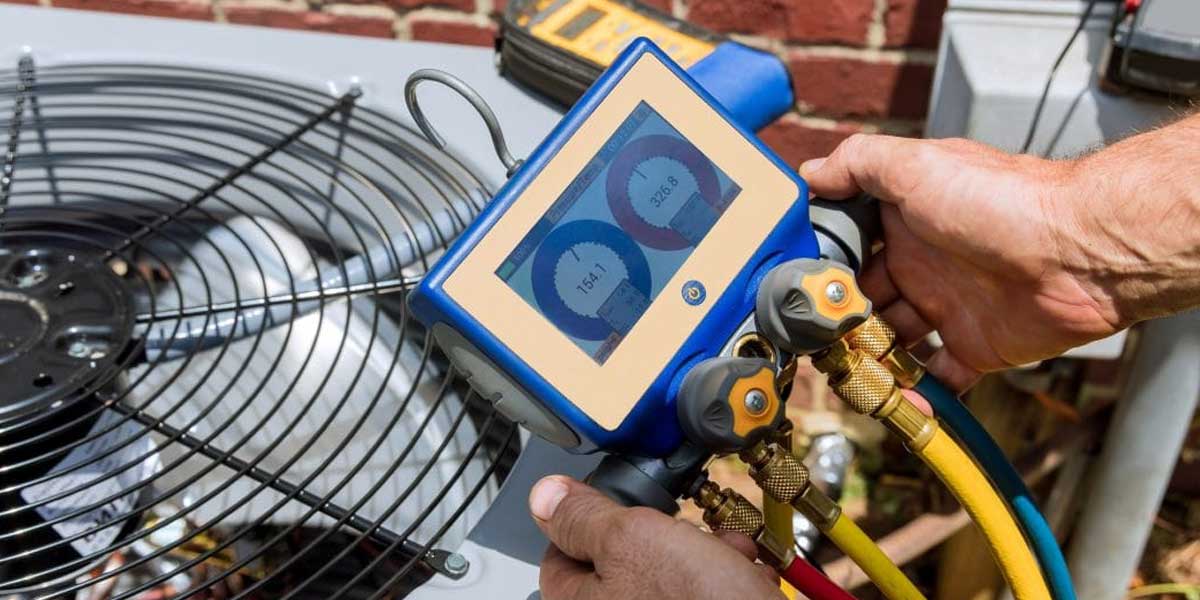
Next, your condenser coils gather dust and debris. When the coils are insulated by dirt, they cannot release heat properly. This forces the compressor to run hotter and longer. Eventually, the evaporator coils inside your house will freeze over, turning into a block of solid ice. Once the ice melts, you are left with water damage, a fried compressor, and a sweltering house in the middle of July.
Real Homeowner Experiences: Is It Really Worth It?
There is a massive debate online about whether HVAC service is a necessity or an “upsell” by local companies. Looking at real discussions on platforms like Reddit reveals a clear divide, but those who invest in maintenance consistently report better long-term outcomes.
In a popular discussion on the r/homeowners subreddit, a user named Equal-Train-4459, identifying as an HVAC professional, gave this stark warning:
“Once a year is mandatory. You can ignore me, and probably get away with it for four or five years, and then something is gonna break and you’re gonna get a bill for all those previous years at once and probably shorten the life of the system.”
— Equal-Train-4459, r/homeowners
On the flip side, some homeowners feel maintenance is a scam. A user named RJ5R on r/realestateinvesting argued:
“Annual tuneups are just opportunities for the HVAC company to get their feet in your door and offer sales pitches. The checklist maintenance can be done by a handyman or even you.”
— RJ5R, r/realestateinvesting
The truth lies somewhere in the middle. As another homeowner, Howwouldiknow1492, shared on the same thread:
“I have a service contract with my HVAC company. It costs $180 per year. They check the furnace every fall and the A/C every spring… The furnace is 19 years old and the A/C about 15. I’ve had one repair in all that time.”
— Howwouldiknow1492, r/homeowners
This highlights the ultimate value of maintenance: predictability. You are paying to prevent emergency breakdowns at 2:00 AM on a freezing winter night.
DIY Maintenance vs. Professional Servicing: Know the Difference
You do not need to pay a professional to do everything. There is a clear dividing line between the maintenance you must handle yourself and the technical work that requires a licensed expert. Understanding this difference empowers you to protect your system year-round without falling victim to unnecessary upcharges.
What You Must Do (Monthly to Quarterly):
- Change the air filter: Check it every 30 days. If you have pets, allergies, or a dusty home, replace it monthly. Otherwise, replace it every 90 days. A clogged filter is the number one cause of system failure.
- Clear the perimeter: Keep shrubs, weeds, and debris at least two feet away from your outdoor condenser unit so it can breathe.
- Hose down the fins: A former HVAC technician on Reddit advised simply hosing down the outside fins with a garden hose at the end of the season to clear away dirt and pollen. Do not use a pressure washer, as it will bend the delicate aluminum fins.
- Unblock vents: Ensure rugs, furniture, or curtains are not covering your indoor supply and return registers.
What the Pro Must Do (Annually):
- Check refrigerant levels: An undercharged system means you have a leak, which only a pro can legally fix and recharge. Overcharging or undercharging destroys efficiency.
- Test electrical components: Technicians test capacitors and contactors to ensure they are delivering the correct voltage. A failing $30 capacitor can destroy a $1,500 compressor if not caught early.
- Inspect the heat exchanger: On gas furnaces, a cracked heat exchanger can leak deadly carbon monoxide into your home. This requires professional tools to detect and is a critical safety check.
- Flush the condensate drain: A clogged drain line will back up and flood your ceiling or basement. Technicians clear this line to prevent mold and water damage.
The Real Cost of HVAC Maintenance vs. Emergency Repairs
When deciding how often should HVAC be serviced, the decision ultimately comes down to math. A standard professional tune-up typically costs between $80 and $150 per visit. If you have a traditional AC and furnace setup, you are looking at roughly $200 to $300 a year for total peace of mind.
Compare that to the alternative. If your system breaks down on a Saturday in August, emergency weekend dispatch fees alone can run $150 to $250 before any work is even done. A blown blower motor can cost $400 to $600 to replace, while a dead compressor will easily exceed $1,500.
This is why many homeowners opt for an annual maintenance agreement with a local HVAC company. These plans usually cost around $15-20 a month and include both your spring and fall tune-ups. More importantly, they almost always guarantee priority scheduling if your system does break, and they offer a 10% to 15% discount on repair parts. If you plan on staying in your home for more than a few years, a maintenance plan is one of the smartest investments you can make.
Frequently Asked Questions (FAQ)
Do I really need to service a brand-new HVAC system?
Yes. While a new system is unlikely to break down, skipping the annual service will void the manufacturer’s warranty. The first few years of maintenance are primarily about protecting that warranty and ensuring the installation was done correctly without slow refrigerant leaks.
How do I know if my HVAC tech is scamming me?
A reputable technician will show you the problem. If they claim a capacitor is failing, they should show you the multimeter reading. If they claim the heat exchanger is cracked, they should show you a photo or video from their inspection camera. Never agree to a massive repair (like adding expensive “Freon” or replacing a compressor) without getting a second opinion.
Can I just clean the indoor coils myself?
While you can clean the outdoor condenser unit with a hose, the indoor evaporator coils are often sealed inside the ductwork and require removing panels near the furnace. Because they are delicate and easily damaged, it is highly recommended to let a professional clean the indoor coils.
How long does an HVAC tune-up take?
A thorough professional tune-up should take between 45 minutes and an hour per unit. If the technician is in and out in 15 minutes, they did not perform a comprehensive check.
Take Action Before the Season Changes
The worst time to find out your air conditioner is broken is on the hottest day of the year. By scheduling your HVAC service before the extreme weather hits, you avoid the rush, ensure your system is running efficiently, and protect your manufacturer warranty.
If you have not had a professional look at your system in the last 12 months, do not wait. Check your filter today, clear the brush away from your outdoor unit, and call a reputable local technician to schedule your next tune-up. Your wallet, and your comfort, will thank you.
Last modified: July 14, 2026