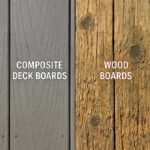
A deck that sat through winter rain, spring pollen, and a full year of foot traffic needs more than a quick sweep before summer gatherings begin, adds Castle Rock property management. The pre-summer maintenance window, roughly April through early June in most climates, is when inspection, cleaning, repairs, and sealing converge into one focused push. Skip it, and small problems become expensive ones by August.
Most decks need about a weekend of work before they’re ready for cookouts and late-night conversations. The exact timeline depends on size and condition, but the checklist breaks into four phases: inspect, clean, repair, and protect. Each phase feeds into the next. Rushing through any one of them creates downstream headaches that take twice as long to fix later.
Why Pre-Summer Deck Maintenance Matters
Wood and composite decks both take a beating during the off-season. Freeze-thaw cycles loosen fasteners as ice expands inside screw holes and between board gaps. Spring rains saturate unprotected wood fibers, creating ideal conditions for rot fungi and mold. UV exposure, even on cloudy days, breaks down lignin, the natural polymer that holds wood cells together, causing surface graying and splintering over time.
According to the North American Deck and Railing Association, a properly maintained wood deck lasts 15 to 20 years. Without annual care, that number drops closer to 8 to 12. The difference between a deck that ages gracefully and one that needs full replacement within a decade is rarely about the quality of the original build. It comes down to whether someone shows up with a checklist each spring.
The Pre-Summer Inspection: What to Look For
Walk your deck slowly before doing anything else. Kneel down. Look under the railing line. Check the ledger board where the deck meets the house. That connection point fails more often than any other part of the structure, and the consequences are never minor.
| What to Check | What to Look For | Severity If Ignored |
|---|---|---|
| Ledger board fasteners | Rust, looseness, missing bolts | High: structural failure risk |
| Deck boards (surface) | Splits, cupping, soft spots, nail pops | Medium: trip hazards, water traps |
| Joists and beams (underneath) | Rot at ends, sagging, insect holes | High: support failure |
| Railings and balusters | Wobble, loose connections, cracked wood | High: safety hazard |
| Stairs and stringers | Loose treads, split stringers, missing hardware | High: fall risk |
| Flashing (deck-to-house junction) | Gaps, rust, water stains on house wall | Medium: water damage to house |
| Post bases and footings | Soil erosion, rot at ground contact, leaning | Medium: stability loss over time |
Tap suspect areas with a screwdriver. Solid wood gives a sharp thud. Rotted wood sounds dull and the tool may sink in without resistance. Mark every problem spot with painter’s tape so nothing gets overlooked during the repair phase.
Deep Cleaning: The Foundation of Summer Readiness
Cleaning a deck before summer is not the same as hosing it off after a barbecue. The goal is to strip away embedded grime, mold spores, and the gray oxidized layer on wood so that sealers and stains can actually bond. A surface-level rinse leaves behind a microscopic film that prevents adhesion. Stain applied over it will peel within months.
Start by clearing furniture, planters, and grills. Sweep debris out of board gaps with a putty knife. Trapped leaves and pine needles hold moisture against the wood and accelerate rot at the contact point.
For wood decks, apply an oxygen bleach-based cleaner with a pump sprayer, scrub with a stiff-bristle brush, and rinse thoroughly. Avoid chlorine bleach, which breaks down lignin and leaves wood fibers brittle and more prone to cracking. Composite decks need a manufacturer-specific cleaner; generic harsh chemicals can void the warranty on capped composite boards.
“Old deck, no sanding, no power washing — what’s the quickest ‘good enough for summer’ fix?”
— r/Decks, 132 upvotes, 320 comments (2026), source
That Reddit thread drew over 300 responses, most converging on the same answer: there is no shortcut that skips cleaning. The consensus among experienced deck owners was that a thorough scrub with the right cleaner, even without power washing or sanding, is the minimum floor for getting a deck summer-ready. Anything less and the stain or sealant simply will not hold.
Let the deck dry for a full 48 hours after washing before moving on to repairs or sealing. Trapped moisture under new stain is a guaranteed recipe for peeling and blistering, and the fix involves stripping everything back to bare wood.
Repairs and Tightening: Fix Before You Entertain
This phase is about eliminating every wobble, nail pop, and soft spot the inspection uncovered. Tighten all visible screws and replace any that show rust. Corroded fasteners not only weaken connections but also leave black stains on surrounding wood that are nearly impossible to remove once they set in.
For popped nails, pull them and drive a deck screw in the same hole. Nails back out over time as wood expands and contracts with the seasons. Screws grip and stay.
Replace boards with obvious rot, deep splits, or more than a quarter-inch of cupping. A single replacement board costs roughly $6 and up depending on material, measured and cut to fit the gap. The real cost is leaving a bad board in place. Rot spreads to adjacent boards through shared joist contact. What starts as one board turns into three or four within a single season.
Pay special attention to stair stringers and railing posts. These see the most dynamic load: people lean, climb, and shift weight constantly. Loose connections here are never cosmetic. If a railing post wobbles more than a quarter-inch when pushed firmly, tighten the through-bolts or add blocking between joists underneath before anyone sets foot on the deck for the season.
Sealing, Staining, and Protecting: The Final Shield
Sealing is the step that separates a deck that looks good in June from one that still looks good in September. Clear sealers and toners let the wood’s natural grain show through but offer less UV protection. Semi-transparent stains add pigment that blocks more UV while still showing wood texture. Solid stains hide the grain entirely but provide the longest-lasting defense against sun and rain.
Apply stain or sealer with a stain pad or roller on a pole for large surfaces, then back-brush with a handheld brush to work the product into board edges and between gaps. Two thin coats outperform one thick coat every time.
Work in sections small enough to finish before the product starts to dry. Lap marks form when wet stain overlaps partially dried stain, and they are permanent once the product cures.
Temperature matters more than most people realize. Most deck stains and sealers need surface temperatures between 50°F and 90°F for proper curing. Applying in direct summer sun can cause the product to flash-dry before penetrating, leaving a surface film that peels within weeks. Early morning or late afternoon on an overcast day is the sweet spot.
Wood vs. Composite: Different Materials, Different Summer Prep
| Factor | Wood Deck | Composite Deck |
|---|---|---|
| Cleaning frequency | Annual deep clean plus quarterly sweeps | Semi-annual wash with composite cleaner |
| Sealing or staining | Every 1 to 3 years depending on product and climate | Not required: color is integral to the material |
| Sanding | Before resealing if surface is rough or grayed | Never: damages the protective cap layer |
| Mold and mildew resistance | Low: relies on cleaning and sealing | High, but organic debris between boards still needs clearing |
| Hardware inspection | Check for rust and looseness annually | Same: hidden fasteners need checking too |
| Estimated annual cost | $50 to $150 (cleaner, stain, brushes) | $20 to $40 (cleaner only) |
The biggest mistake composite deck owners make is assuming low maintenance means no maintenance. Composite boards do not rot or splinter, but they still collect pollen, mildew, and debris in the grain pattern. Leaves and dirt trapped between boards hold moisture that can damage the underlying wood joists over time. Those joists are still lumber even if the surface boards are not.
Three Deck Maintenance Myths That Cost You Years
Myth: Power washing is the best way to clean a deck. A pressure washer above 1,500 PSI, or a narrow tip held too close, will gouge wood fibers and leave a fuzzy, permanently damaged surface. It can also force water deep into the wood, which then takes weeks to dry enough for staining. Professional deck restorers use low-pressure sprayers and elbow grease, not maximum PSI.
Myth: New pressure-treated lumber does not need sealing right away. Modern pressure-treated lumber using alkaline copper quaternary (ACQ) preservatives actually dries out and cracks faster than older CCA-treated wood if left unsealed after installation. The preservative protects against rot and insects but does nothing against UV damage or moisture cycling.
Seal it within the first six months. As soon as water stops beading on the surface, the wood is ready to accept stain.
Myth: A deck that looks fine is structurally fine. The ledger board, the horizontal beam bolted to the house that carries roughly half the deck’s weight, can rot from the inside out with no visible sign from above. Water seeps behind the flashing, sits against the wood, and fungus does the rest over months or years.
A deck collapse is almost always a ledger board failure, and it almost always happens on a deck that looked fine from the surface the week before.
Frequently Asked Questions
How often should I reseal my deck?
Most wood decks need resealing every one to three years, depending on product quality, sun exposure, and foot traffic. A simple water test tells you when: splash water on the surface. If it beads up, the seal is still working. If it soaks in within a few seconds, it is time to reseal.
What is the best treatment for a wood deck?
Semi-transparent oil-based penetrating stains provide the best balance of UV protection, water repellency, and appearance for most pressure-treated pine and cedar decks. They soak into the wood rather than sitting on top, which means they will not peel. They simply fade over time and need reapplication on the regular schedule.
Should I seal my deck after power washing?
Yes, but not immediately. Wood absorbs significant moisture during washing and needs at least 48 hours of dry weather to reach a moisture content below 15 percent before sealing. Trapping water under sealant causes the finish to blister and peel within weeks, wasting all the prep work.
What is routine deck maintenance?
Routine maintenance includes monthly sweeping, quarterly debris clearing from board gaps, annual cleaning with an appropriate deck cleaner, and resealing on the schedule dictated by your product and climate. The single highest-impact habit is keeping the gaps between boards clear of organic debris that traps moisture.
Should decking be oiled or stained?
Oil-based products penetrate wood fibers and are best for preserving the natural look while providing water repellency. Stains add pigment for UV protection and color. For most softwood decks, a penetrating oil-based semi-transparent stain gives the best of both worlds: the penetration depth of oil with the UV-blocking power of added pigment.
Getting Started This Weekend
The checklist distills to four verbs: inspect everything, clean thoroughly, fix what is broken, and seal what is exposed. The inspection catches problems while they are still small and cheap. The cleaning creates the surface adhesion that makes sealing worth the effort. The repairs eliminate safety hazards before summer traffic exposes them. And the final protective coat buys you another full year before the cycle starts again.
A deck is one of the few home features that rewards effort in direct proportion. The hours you put in during a spring weekend come back as dozens of summer evenings where nobody thinks about the surface under their feet, because there is nothing to notice.
Last modified: July 25, 2026