Best Caulking Materials for Concrete
 • June 17, 2026
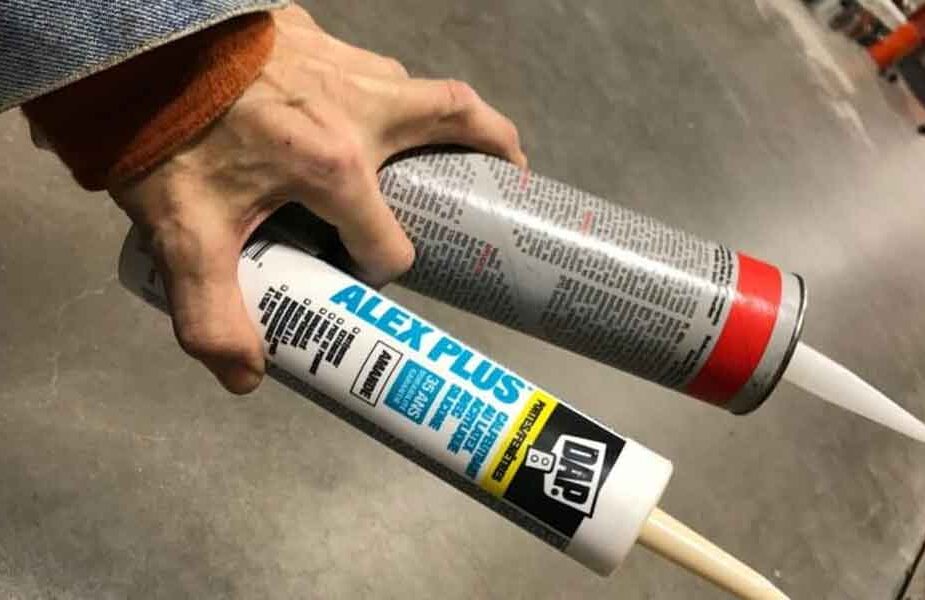
Concrete caulking is used to fill cracks, joints, and gaps in concrete surfaces with flexible sealant materials. This helps reduce water infiltration and limits debris buildup within joints. In professional applications, sealant selection is based on factors such as joint movement, exposure conditions, and surface orientation. Here is more information on caulking materials for concrete:
How Do Caulking Materials Work?
Open cracks, joints, and gaps allow moisture to enter concrete materials. Concrete caulking fills these openings and forms a barrier that helps reduce moisture infiltration. Water penetration can contribute to deterioration and damage over time, so sealing openings helps address a common pathway for concrete degradation.
Concrete expands and contracts with seasonal temperature changes, and these shifts create movement within slabs, joints, and surrounding materials. Because of this movement, caulking products are formulated to remain flexible while bonded to the concrete. They are designed to accommodate repeated expansion and contraction cycles. This flexibility is key to preventing further issues.
Freeze-related damage develops when moisture enters unsealed cracks and joints. Once water is present in these openings, freezing causes it to expand, increasing internal pressure in the concrete. Cracks widen as this pressure is repeated through freeze–thaw cycles, and additional deterioration develops in the surrounding material. Caulking reduces this process by limiting moisture entry into cracks and joints, helping interrupt the conditions that lead to freeze-related deterioration.
Which Caulking Materials Are Used?
High-grade polyurethane caulk is commonly used in concrete sealing applications due to its flexibility and adhesion properties. It is selected to help seal cracks, joints, and gaps where moisture entry occurs in concrete structures. Polyurethane caulk is formulated to remain flexible during these cycles, and it follows joint movement while staying bonded to the substrate. This flexibility supports the continuity of the seal as expansion and contraction occur over time.
Why Does Surface Preparation Matter?
The caulking process begins with the preparation of joints and cracks before any sealant is applied. Surfaces are cleaned to remove debris, dust, old material, and loose particles that interfere with adhesion. This preparation supports consistent contact between the sealant and the concrete along the joint surfaces.
Joint geometry is then assessed and adjusted as needed to establish appropriate depth and width for the application. Backer materials or other control methods are often used to help manage sealant depth and shape within the joint. These conditions influence how the sealant sits within the opening and how it performs once in place.
After preparation is complete, professionals apply the caulk. It is placed into the joint in a continuous line. Tooling follows the application to press the sealant into place and form a consistent joint profile.
Why Is Expertise Necessary When Caulking?
Contractors select sealant materials based on project requirements such as joint size, expected movement, and exposure conditions. This selection process aligns material properties with the conditions where the sealant will be installed. Local climate patterns also factor into material choice, since temperature range and seasonal variation influence joint behavior over time.
Knowledge of climate conditions informs decisions about how the caulk must accommodate movement throughout the year. This includes selecting materials suited to repeated expansion and contraction within the installation environment. Building codes also guide material selection and installation practices; some requirements set minimum standards for performance and application. Compliance with these codes establishes baseline expectations for how the work is completed.
Hire Expert Concrete Caulking Services
Professional concrete caulking services address moisture infiltration before it causes structural damage to your concrete. Experienced contractors seal joints, cracks, and gaps with high-grade polyurethane caulk, which fills openings and forms a barrier against water entry. Contact a professional contractor today for concrete raising and caulking services to effectively address surface cracks and gaps.
Last modified: June 17, 2026