Hygiene and Reducing the Risk of Contamination: Choosing Products Carefully

The Importance of Hygiene in Everyday Life
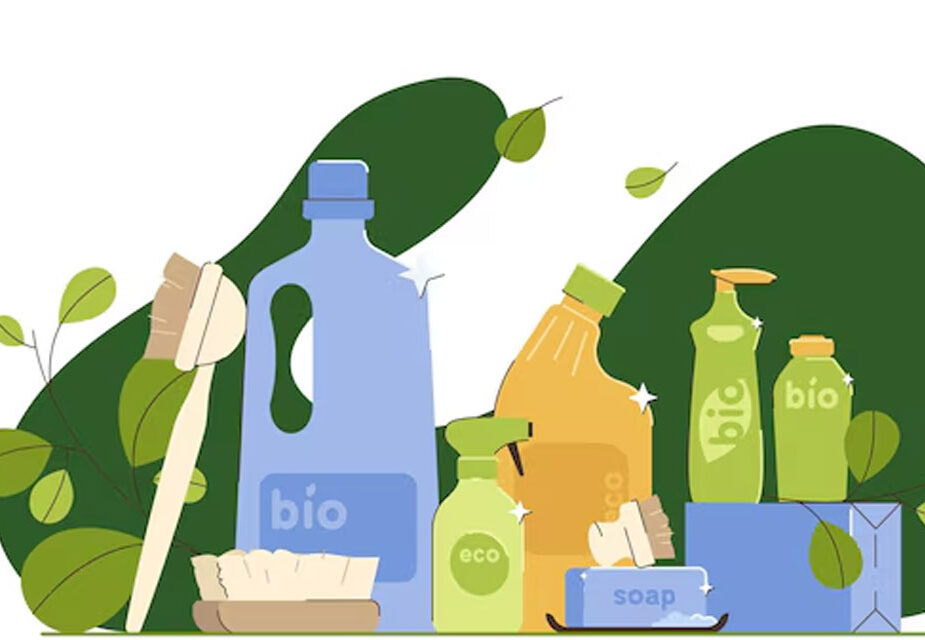
Maintaining good hygiene is one of the most important ways to protect our health and reduce the risk of contamination. Every day, we come into contact with different surfaces, products, and environments that may contain microorganisms such as bacteria, viruses, or fungi. Choosing appropriate products and using them correctly can help create a cleaner and safer environment.
Selecting Safe and Reliable Products
When choosing hygiene-related products, it is important to consider their quality, safety, and intended purpose. Products should be purchased from reliable manufacturers and should include clear information about ingredients, instructions for use, and safety recommendations. Reading labels carefully helps consumers make better decisions and select products that meet their specific needs.
Reducing Contamination Through Product Design
The design and type of a product can also influence the risk of contamination. Products that are intended for single use or limited use can sometimes reduce the possibility of contamination caused by repeated handling, poor cleaning, or long-term storage. For example, some consumers consider disposable vapes a more hygienic option compared with reusable vape devices because they do not require repeated refilling, cleaning, or handling of internal components.
Proper Storage and Handling Practices
Even high-quality products can become contaminated if they are not stored and handled correctly. Hygiene products should be kept in clean, dry places and used according to the manufacturer’s instructions. Packaging should remain intact, containers should be properly closed after use, and expired or damaged products should be avoided.
The Role of Consumer Awareness
Making informed choices is an important part of preventing contamination. Consumers should look for products with transparent information, clear safety guidelines, and appropriate certifications where applicable. Understanding how a product is made, used, and maintained helps reduce unnecessary risks and improves overall hygiene practices.
Combining Good Products with Good Habits
Choosing the right products is only one part of maintaining hygiene. Regular hand washing, cleaning frequently touched surfaces, proper food handling, and responsible product use are essential habits for reducing the spread of microorganisms. A combination of suitable products and responsible behavior provides better protection in everyday situations.
Reducing contamination requires attention to both product selection and personal hygiene habits. By choosing reliable products, following instructions, and understanding how different product designs affect cleanliness, people can make informed decisions that support a healthier and safer environment.
Last modified: July 13, 2026