7 Things That Affect Your Tattoo Removal Results
 • July 9, 2026
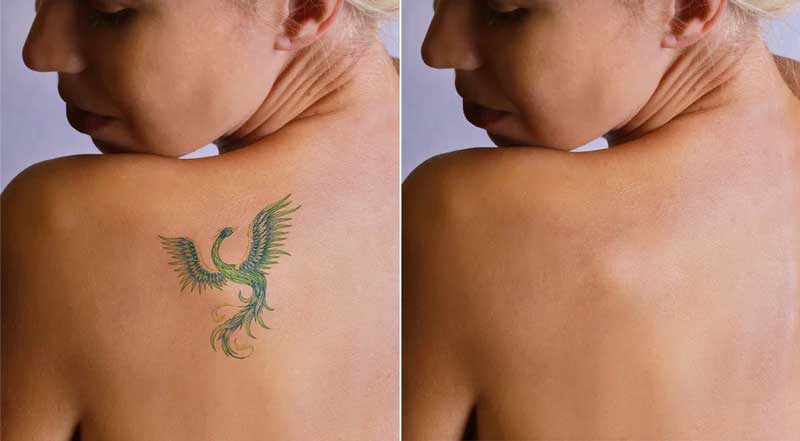
Some tattoos fade after four or five laser sessions. Others take twelve or more and still leave a faint shadow behind. The difference rarely comes down to the laser itself — it’s the combination of factors specific to the tattoo and the person carrying it. Understanding these variables helps set realistic expectations before the first treatment even begins.
Ink Color
Black and dark navy ink absorb laser wavelengths most efficiently, which is why black tattoos typically clear faster than colorful ones. Red and orange respond reasonably well to certain lasers, but greens, light blues, and yellows are notoriously stubborn. These lighter and more vibrant colors often require a wider range of wavelengths, sometimes meaning a clinic needs more than one type of laser to fully address a multicolored piece. A tattoo with five colors will almost always take longer to remove than a single-color design of the same size.
Depth and Density of the Ink
Amateur tattoos, like the ones done with a homemade gun or a single needle, tend to sit closer to the skin’s surface and often fade quickly. Professional tattoos are usually applied with more precision and consistency, packing ink more densely into the dermis. Denser ink means more passes are needed to break it down into particles small enough for the lymphatic system to clear away. Cover-up tattoos, which frequently have layers of ink stacked on top of each other, are among the most time-consuming to remove for this reason.
Skin Tone
Laser tattoo removal works by targeting the contrast between ink and surrounding skin, so skin tone plays a direct role in both safety and outcome. Darker skin contains more melanin, which can absorb laser energy alongside the ink, raising the risk of pigment changes if the wrong settings are used. This doesn’t mean darker skin tones can’t achieve strong results — it means the technician needs to select appropriate wavelengths and adjust intensity accordingly. Clinics experienced in treating a range of skin types are better equipped to avoid burns, scarring, or blotching.
Tattoo Age and Location on the Body
Older tattoos have often already broken down somewhat from years of sun exposure and natural skin turnover, which can make them respond faster to treatment than a tattoo applied just months earlier. Location matters too, since areas with better blood flow and lymphatic drainage clear ink more efficiently. Tattoos on the chest, back, and upper arms generally fade quicker than those on the ankles, feet, or hands, where circulation is comparatively limited.
Number of Sessions and Time Between Them
Removal isn’t a one-visit process. Most tattoos require six to twelve sessions, spaced six to eight weeks apart, to allow the body time to clear ink particles between treatments. Scheduling sessions too close together doesn’t speed things up — it increases the risk of skin damage without improving the final result. Patience with the timeline matters as much as the treatment itself, since rushing the process typically works against the outcome rather than for it.
Aftercare Between Appointments
What happens after each session affects how well the skin heals and how the next treatment responds. Keeping the treated area clean, avoiding direct sun exposure, and skipping picking at scabs or blisters all support proper healing. Sun exposure in particular can cause pigmentation issues in the treated area, which may complicate future sessions or leave visible marks even after the ink is gone. Simple habits, like applying sunscreen and avoiding tight clothing over the site, make a measurable difference over the course of treatment.
The Skill and Equipment of the Provider
Not every clinic uses the same technology, and not every technician has the same level of training. Q-switched and picosecond lasers are considered the current standard for breaking down ink effectively while minimizing damage to surrounding skin, but the equipment is only as good as the person operating it. A provider who understands how to read a tattoo’s ink density, color composition, and the client’s skin type will adjust settings accordingly rather than applying a one-size-fits-all approach. For anyone researching safe and effective tattoo removal Melbourne, VIC has a number of clinics with the right combination of updated equipment and experienced technicians, which makes a noticeable difference in both results and safety over the course of treatment.
Setting Realistic Expectations
Tattoo removal is rarely a quick fix, and the variables above explain why two people can undergo the same number of sessions and end up with different results. Ink color, skin tone, tattoo location, and provider skill all interact in ways that make each case somewhat unique. Going into treatment with a clear understanding of these factors, rather than expecting a fixed number of sessions to guarantee complete removal, makes the process far less frustrating and the results easier to appreciate as they gradually appear.
Last modified: July 9, 2026