What to Use for a Carport Canopy: A Material Comparison

Building a carport is an excellent way to protect your vehicle from the unpredictable British weather. It shields your car from heavy rain, frost, and even intense summer sun. However, the success of your project depends heavily on the roof material you select.
Different materials offer distinct advantages in terms of cost, durability, and appearance. You need to consider how each option handles local weather conditions and how much maintenance it requires.
The Strength and Longevity of Metal Roofing
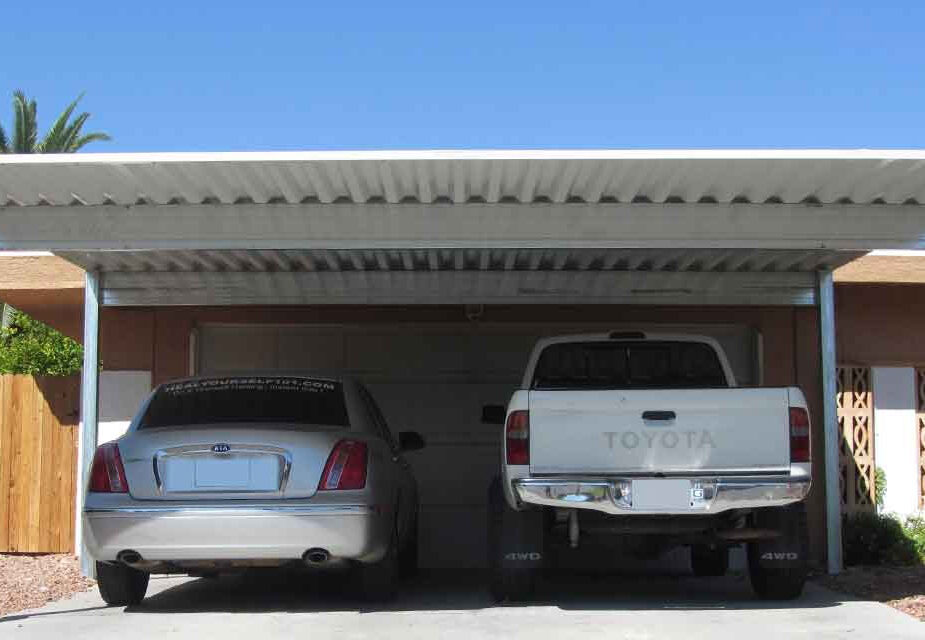
Metal is another traditional option for carports, often utilised in the form of corrugated steel or aluminium sheets. It provides exceptional durability and can last for decades with very little upkeep. It easily handles heavy snow loads and strong winds, making it a reliable shield for your vehicle.
The main drawback of metal is the total blockage of natural light, which can make the driveway dark. Metal roofs can also become incredibly noisy during a heavy downpour, which might disturb you if the carport sits close to your bedroom window. It’s also common for condensation to form on the underside of metal sheets during cold mornings.
Why Polycarbonate Sheets Work Best for Light and Protection
Polycarbonate is a highly popular choice for modern carports because it offers an ideal balance of strength and visibility. It’s a tough plastic that can withstand impact from falling branches or heavy hail without cracking. It’s worth pointing out that unlike solid roofs, it allows natural light to filter through, which keeps the space underneath bright.
When you install a canopy roof, you want to block rain but keep the area well-lit. Using transparent polycarbonate sheets allows you to create a bright shelter that protects your vehicle’s paintwork from water damage. The material is also lightweight, which makes the installation process simple and reduces the load on the supporting frame.
Traditional Timber Overheads for a Classic Appearance
Timber frames topped with wooden shingles or boards give a rustic appearance that complements traditional homes. Many homeowners prefer wood because it blends naturally into a garden environment. It’s a sturdy material that allows you to construct a heavy-duty shelter.
Wood requires regular treatment to prevent rot, insect damage, and warping caused by damp British winters. Without consistent painting or staining every few years, the structure will degrade quickly. Timber roofs are also heavy, so they require substantial support posts instead of light frames.
Temporary Fabric Covers for Budget Decisions
Fabric or canvas canopies offer a quick and inexpensive solution for seasonal vehicle protection. These structures usually feature a metal frame with a tensioned waterproof cloth stretched over the top. They’re easy to assemble and you can dismantle them when they’re not needed.
Canvas canopies lack the long-term durability of permanent materials. High winds can tear the fabric, and constant exposure to UV rays will cause the material to weaken and fade over time. Water can also pool on the fabric surface if it’s not tensioned properly, which creates a risk of collapse.
Crucial Factors for Your Material Choice
Before you purchase your materials, it’s useful to review the main requirements for your driveway project. Here is a list of the key points to consider when making your decision:
- Weather resistance to withstand frost, heavy rain, and strong winds.
- Light transmission to keep your driveway bright and welcoming.
- Maintenance needs because some materials require annual treatment while others are maintenance-free.
- Structural weight which dictates how thick your support posts need to be.
In Summary
Each material brings unique benefits to a carport build. Metal provides ultimate strength, wood offers a classic aesthetic, and fabric suits temporary setups. However, for a permanent structure that remains bright, polycarbonate stands out as a highly practical option.
Assess your budget, your DIY skills, and the style of your home before making a final investment. Choosing a durable material ensures your car stays protected for many years to come.
Last modified: July 7, 2026